

Coroner involvement after death in Singapore is a legally mandated process to investigate and determine the cause and circumstances of sudden, unnatural, or unexplained deaths. The process is governed by the Coroners Act 2010 and the Criminal Procedure Code, with the Health Sciences Authority (HSA) mortuary and Singapore Police Force playing central roles. Coroner-referred cases typically take 3–14 days before a Certificate of Cause of Death (CCOD) is issued. Understanding this process helps your family know what to expect, reduce uncertainty, and make informed decisions during one of the most difficult times you will face.
What triggers coroner involvement after death in singapore?
The coroner system in Singapore activates when a death cannot be certified as natural by an attending doctor. Singapore's coroner reviews sudden, unnatural, or unexplained deaths, and the police are legally required to notify the coroner in such cases. This is not a sign of wrongdoing. The process exists to protect families and the public by establishing accurate facts.
The following types of deaths typically require coroner review:
- Sudden deaths with no known medical history or prior illness
- Unnatural deaths including accidents, falls from height, drowning, or fires
- Violent deaths such as homicides or deaths involving physical trauma
- Suicides or suspected suicides
- Deaths in custody or in institutional settings
- Cases where a doctor cannot certify the cause of death with confidence
Not all deaths require autopsies. Doctors certify natural deaths directly. Police refer uncertain cases to the coroner for examination. This distinction matters because it affects how quickly your family can proceed with funeral arrangements.
Pro Tip: If your loved one passed away at home without a doctor present, call the police immediately. Do not move the body. The police will assess the scene and determine whether a coroner referral is needed.
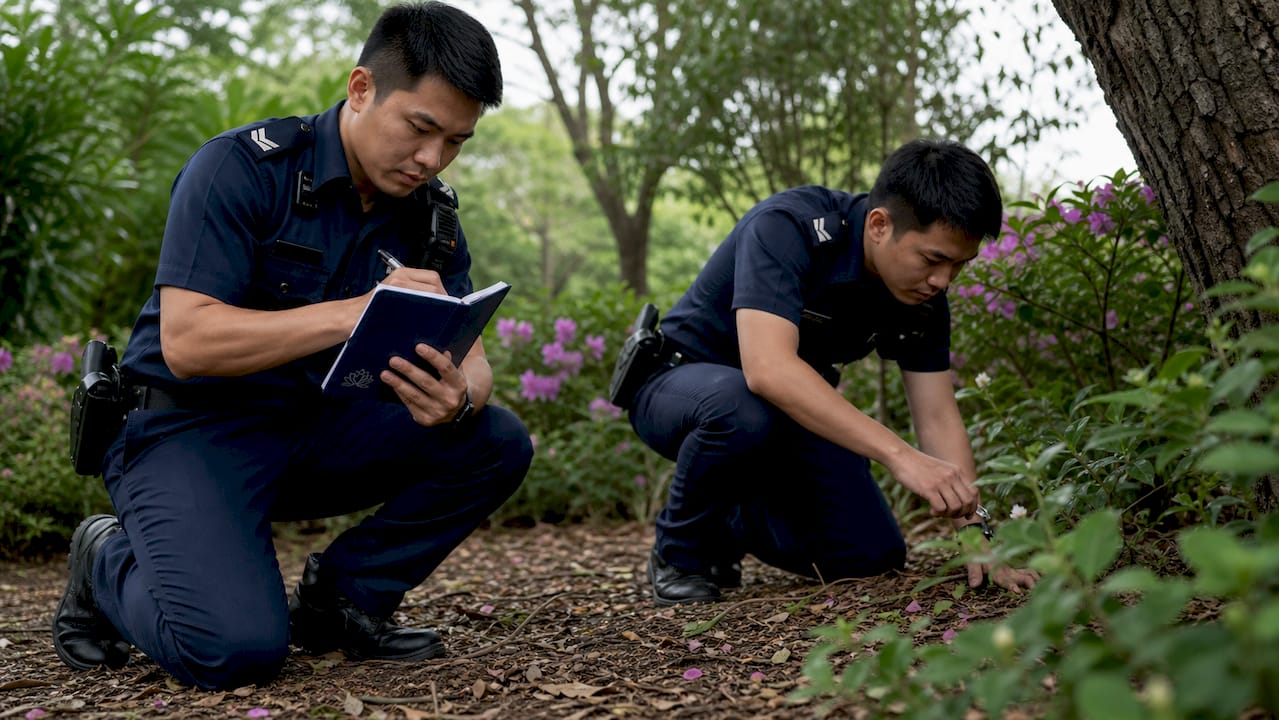
Singapore sees around 2,500 coroner referrals per year, with approximately 74% of those cases subjected to post-mortem examinations. That scale reflects how common this process is. Your family is not alone in navigating it.
How does the coroner process work in singapore?
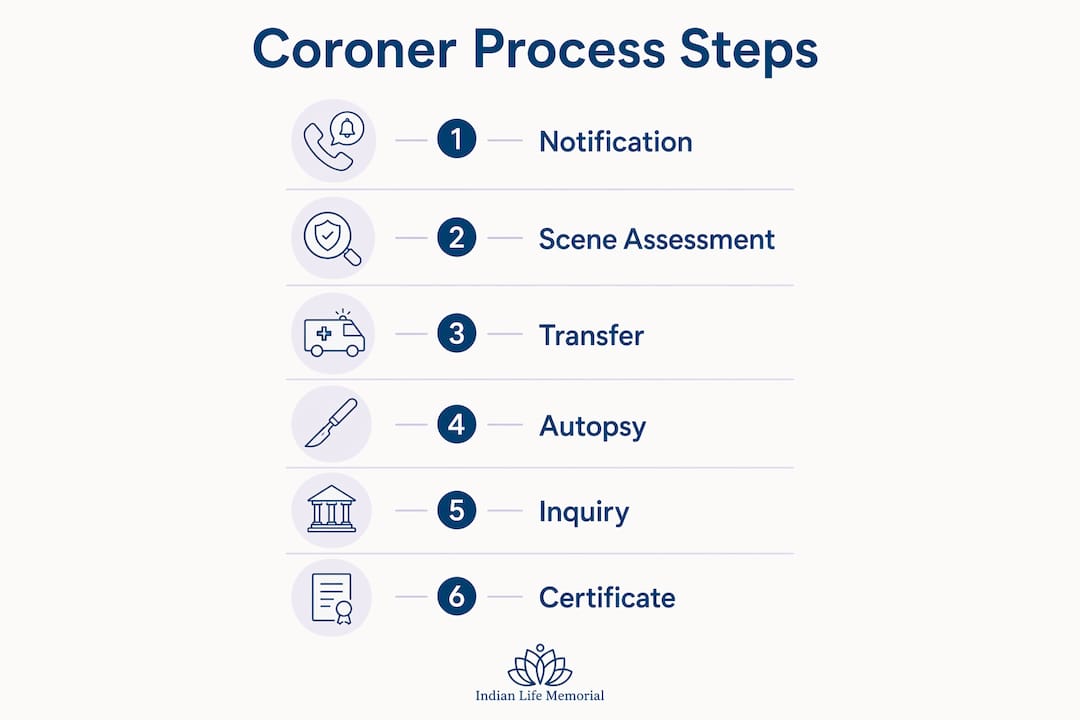
The investigation process after death in Singapore follows a clear sequence. Knowing each step reduces anxiety and helps you plan accordingly.
-
Police notification. When a death is reported, the police attend the scene and assess whether coroner involvement is required. They file an initial report and refer the case if necessary.
-
Transfer to Mortuary@HSA. The body is transferred to the Health Sciences Authority mortuary on Outram Road. This is the central facility for all coroner-referred cases in Singapore.
-
Assignment of investigating officer. The Singapore Police Force assigns a dedicated investigating officer to the case. This officer coordinates between the family, the coroner, and the HSA.
-
Post-mortem examination. The coroner orders a post-mortem if the cause of death is unclear. A forensic pathologist at HSA performs the examination and submits findings to the coroner.
-
Coroner's review and CCOD issuance. The coroner reviews all findings and issues the Certificate of Cause of Death. This certificate is required for death registration and funeral arrangements.
-
Public Coroner's Inquiry (if applicable). For complex or contentious cases, the coroner may convene a formal inquiry. The Coroner's Inquiry is a fact-finding proceeding governed by the Coroners Act 2010. It determines cause of death through witness testimony and evidence review.
The table below summarizes typical timelines at each stage:
| Stage | Typical Duration |
|---|---|
| Police notification and scene assessment | Same day |
| Transfer to Mortuary@HSA | Within 24 hours |
| Post-mortem examination | 1–3 days |
| Coroner review and CCOD issuance | 3–14 days total |
| Public Coroner's Inquiry (if required) | Weeks to months |
Witnesses attending coroner inquiries in Singapore receive allowances under the Criminal Procedure Code (Witnesses' Allowances) Regulations 2010. These allowances cover lost time, travel costs, and subsistence. If your family member is called as a witness, you are entitled to claim these allowances.
Pro Tip: Request a copy of the police report number at the scene. This reference number helps you follow up with the investigating officer and track the progress of the case.
What happens to the body and funeral arrangements?
Families cannot proceed with funeral arrangements until the coroner releases the body. The mortuary holds the body until all investigations are complete, after which the coroner authorizes release for funeral preparation. This waiting period is one of the most emotionally difficult aspects of coroner involvement.
Here is what your family needs to know about this stage:
- Body release authorization. The coroner issues a formal release order. Your funeral home cannot collect the body without this document.
- Death registration. The CCOD must be submitted to the Immigration and Checkpoints Authority (ICA) to register the death and obtain the death certificate.
- Burial or cremation permit. The National Environment Agency (NEA) issues burial and cremation permits. These cannot be obtained until the death is registered with a valid CCOD.
- Coordination with your funeral home. A reputable funeral service provider will liaise directly with Mortuary@HSA and relevant government agencies on your behalf. This saves your family significant time and stress.
- Religious rites timing. If your faith requires specific rites within a set timeframe, inform your funeral provider early. They can work with authorities to expedite the release where possible.
The NEA provides guidance on post-death matters including body disposal, permits, and approved facilities. Reviewing their official resources helps your family understand what documentation is required at each step.
For families observing Hindu traditions, the delay can feel particularly significant given the Antyesti rites and the belief in supporting the Atman's transition. A funeral provider experienced in coroner-related cases can help you honor these traditions within the constraints of the legal process.
How should families handle legal and administrative steps after coroner investigations?
Once the coroner completes the investigation, your family faces a set of legal and administrative responsibilities. Legal experts recommend maintaining clear communication with authorities and seeking legal guidance to avoid disputes over the deceased's estate.
Key steps to take after the coroner process concludes:
- Estate administration. If your loved one left a valid Will, apply for a Grant of Probate through the Family Justice Courts. Without a Will, the Intestate Succession Act governs how assets are distributed.
- Seek legal advice early. Coroner findings can affect insurance claims, civil proceedings, and family disputes. A lawyer specializing in estate matters can protect your family's interests.
- Communicate with the investigating officer. Keep a written record of all communications with the police and coroner's office. Request updates in writing where possible.
- Notify relevant institutions. Inform banks, CPF Board, and other institutions of the death once you hold the official death certificate.
- Access bereavement support. Organizations such as the Singapore Association for Mental Health (SAMH) and Silver Ribbon Singapore offer grief counseling and support services.
Pro Tip: Ask your lawyer whether the coroner's findings affect any life insurance policy your loved one held. Some policies have specific clauses related to manner of death that require careful review.
For a broader overview of what to do when someone dies in Singapore, the step-by-step guide from Indianlifememorial covers the full process from notification to final rites.
Key takeaways
The coroner system in Singapore is a structured, fact-finding process that determines the cause of sudden or unexplained deaths, and families who understand each stage are better prepared to manage both legal requirements and funeral arrangements with clarity.
| Point | Details |
|---|---|
| Coroner involvement is legally mandated | Sudden, unnatural, or unexplained deaths must be referred to the coroner under the Coroners Act 2010. |
| Timeline is 3–14 days in most cases | The CCOD is typically issued within this window, though complex cases may take longer. |
| Body release requires formal authorization | Funeral arrangements cannot begin until the coroner releases the body and the CCOD is issued. |
| Legal advice protects your family | Coroner findings can affect estate administration, insurance claims, and family disputes. |
| Funeral providers can coordinate on your behalf | Experienced providers liaise with Mortuary@HSA and government agencies to reduce your burden. |
What families often get wrong about the coroner's role
The most common misunderstanding I see families carry into this process is the belief that coroner involvement means someone is suspected of wrongdoing. It does not. The coroner system in Singapore focuses on ascertaining facts and circumstances of death, not assigning blame. That distinction separates it entirely from criminal court proceedings.
What I have observed is that families who treat the process as adversarial create unnecessary friction with investigators. The police officer assigned to your case is not an opponent. They are a procedural partner. Treating them as such, responding promptly to requests, providing accurate information, and staying reachable, moves the case forward faster.
The second thing families underestimate is the administrative load that follows the coroner's release. The CCOD unlocks a chain of legal and logistical steps, and without a clear plan, families can find themselves overwhelmed at the worst possible moment. Engaging a funeral provider and a lawyer before the release, not after, is the single most effective way to stay ahead of that pressure.
Grief does not pause for paperwork. But preparation makes it possible to honor your loved one with the dignity and care they deserve, even within the constraints of a legal process.
— Admin
Planning a funeral after coroner involvement in singapore
When the coroner releases your loved one, your family deserves a funeral provider who already understands the process and can move without delay.
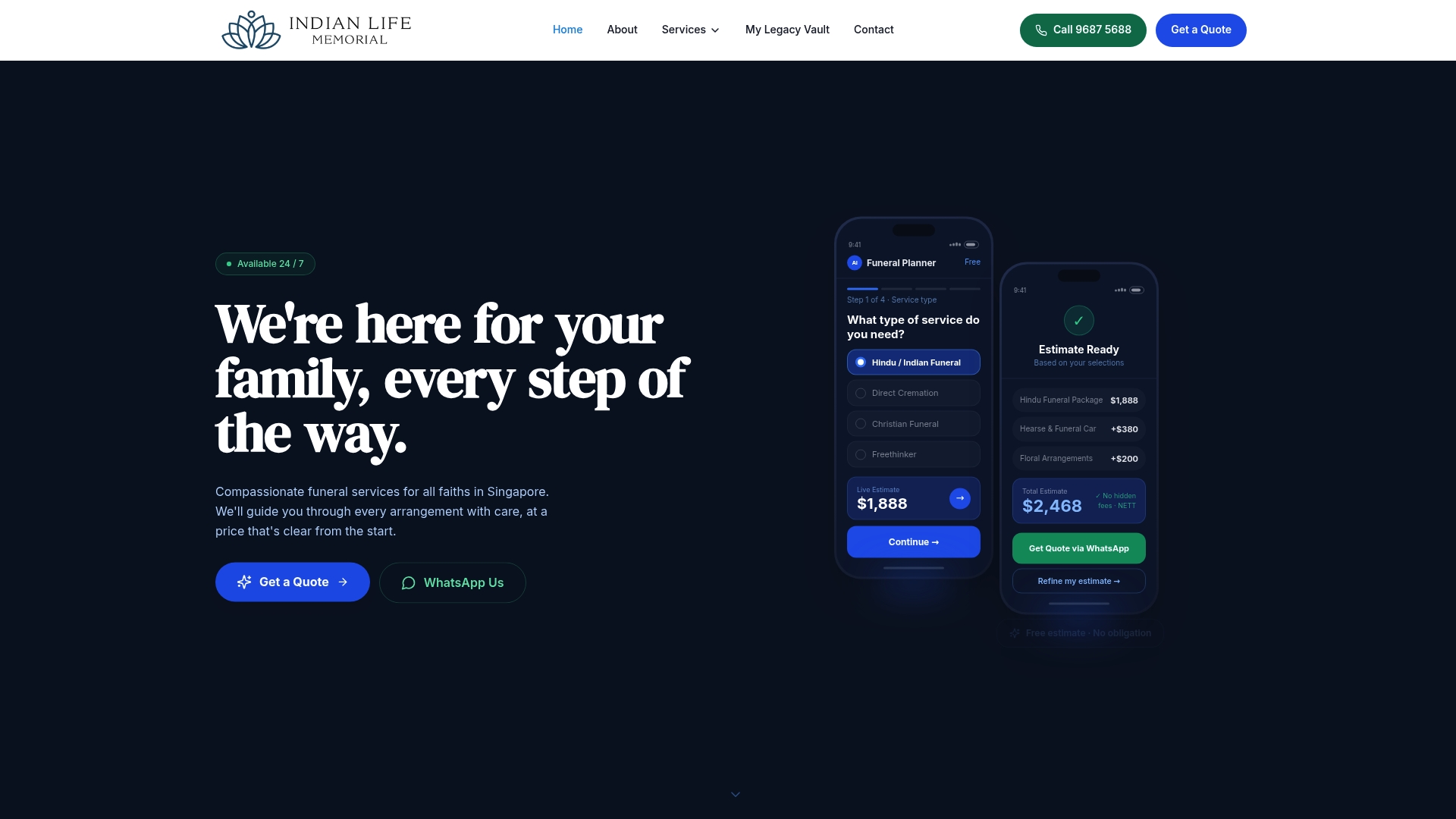
Indianlifememorial offers full-suite funeral services for families of all faiths in Singapore, including those navigating coroner-related cases. The team coordinates directly with Mortuary@HSA and government agencies, so your family does not have to manage that burden alone. Services are available 24/7, with transparent pricing starting at $1,888 and no hidden fees. Whether your family observes Hindu traditions, Christian rites, or any other faith, Indianlifememorial provides culturally sensitive care with experienced priests and proper Vedic rites where needed. Reach out any time for compassionate, immediate support.
FAQ
When is a coroner involved after a death in singapore?
A coroner is involved when a death is sudden, unnatural, violent, or unexplained, or when a doctor cannot certify the cause of death. The police are legally required to notify the coroner in these cases under the Coroners Act 2010.
How long does the coroner process take in singapore?
Most coroner-referred cases are resolved within 3–14 days from notification to issuance of the Certificate of Cause of Death. Cases requiring a Public Coroner's Inquiry may take several weeks or months.
Can a family request a post-mortem examination in singapore?
Post-mortem examinations are ordered by the coroner, not requested by families. The coroner determines whether an autopsy is necessary based on the circumstances of the death.
What document do families need before arranging a funeral in singapore?
Families need the Certificate of Cause of Death (CCOD) issued by the coroner. This document is required to register the death with ICA and obtain burial or cremation permits from NEA.
Does coroner involvement mean someone is under criminal investigation?
No. The coroner's role is fact-finding, not prosecutorial. The coroner's inquiry determines how and why a person died. It does not assign criminal liability.
Recommended
- Indian Life Memorial | Funeral Services Singapore | 24/7 Hindu, Christian, All Faiths
- Indian Life Memorial | Funeral Services Singapore | 24/7 Hindu, Christian, All Faiths
- Indian Life Memorial | Funeral Services Singapore | 24/7 Hindu, Christian, All Faiths
- Indian Life Memorial | Funeral Services Singapore | 24/7 Hindu, Christian, All Faiths