
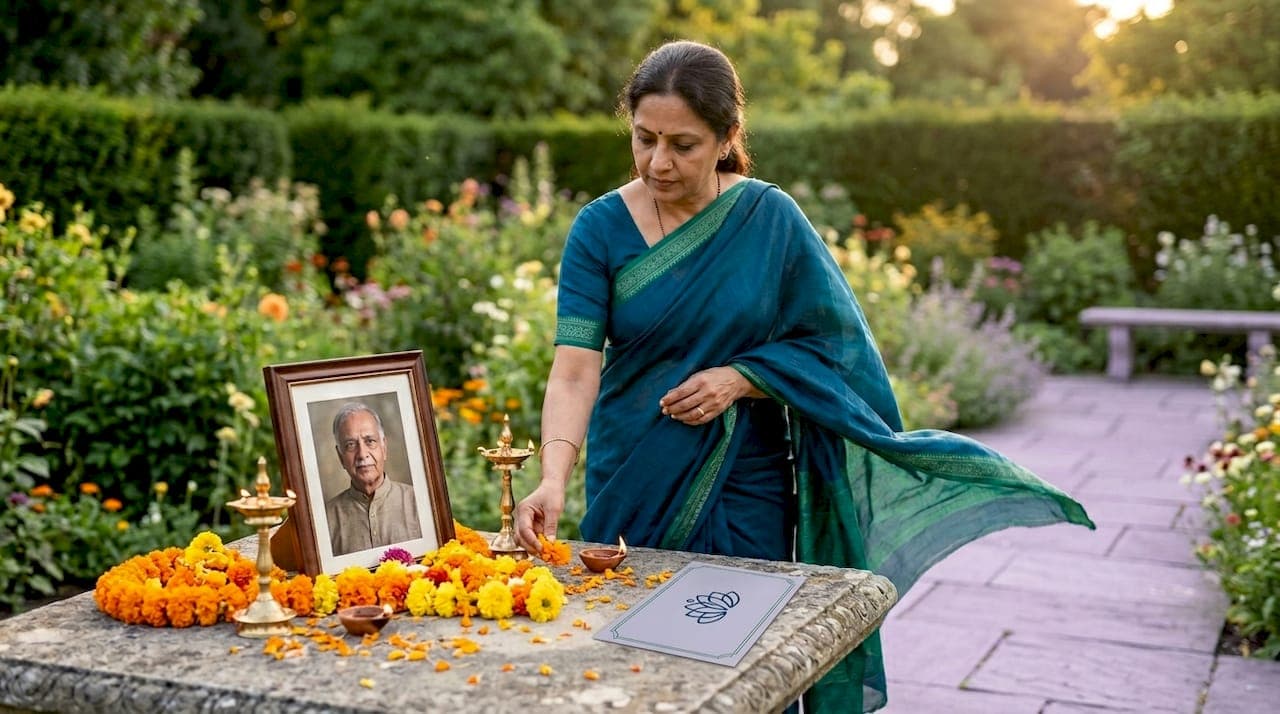
Indian diaspora funeral needs differ because no single set of practices governs how Indian families mourn, memorialize, and release their loved ones. The Antyesti, or last rites, vary by region, sect, caste lineage, and family tradition across India's 28 states. When those families settle in Singapore, the UK, the US, or Australia, they carry those specific customs into legal and logistical environments that were not designed to accommodate them. The result is a collision between sacred obligation and foreign bureaucracy that every diaspora family must navigate on the worst days of their lives.
Why Indian diaspora funeral needs differ from family to family
The most consequential misconception about Indian funerals abroad is that a single "Hindu funeral" template exists. It does not. Funeral customs vary widely by region, sect, and family tradition, meaning a Gujarati Vaishnava family from Surat and a Tamil Shaivite family from Chennai will require entirely different priests, rituals, mantras, and timelines. Treating these families identically is not just culturally insensitive. It actively disrupts the Samskaras, the sacred life-cycle rites that guide the Atman toward its next transition.
Regional variation shapes nearly every practical decision your family will make. Consider the differences below:
- Gujarati families following BAPS or Swaminarayan traditions require specific priests trained in those lineages and may observe distinct mourning customs around the 13-day period.
- Punjabi Sikh families conduct Antam Sanskar rites guided by the Guru Granth Sahib, with the Akhand Path recitation central to the mourning period.
- South Indian Hindu families (Tamil, Telugu, Kannada) often follow Agamic traditions with specific fire ritual sequences that differ from North Indian Vedic rites.
- Bengali families may observe Shraddha ceremonies with particular food offerings and timing tied to the lunar calendar.
- ISKCON-affiliated families follow Vaishnava rites that include specific kirtan, tulsi leaves, and Ganga water regardless of the family's regional origin.
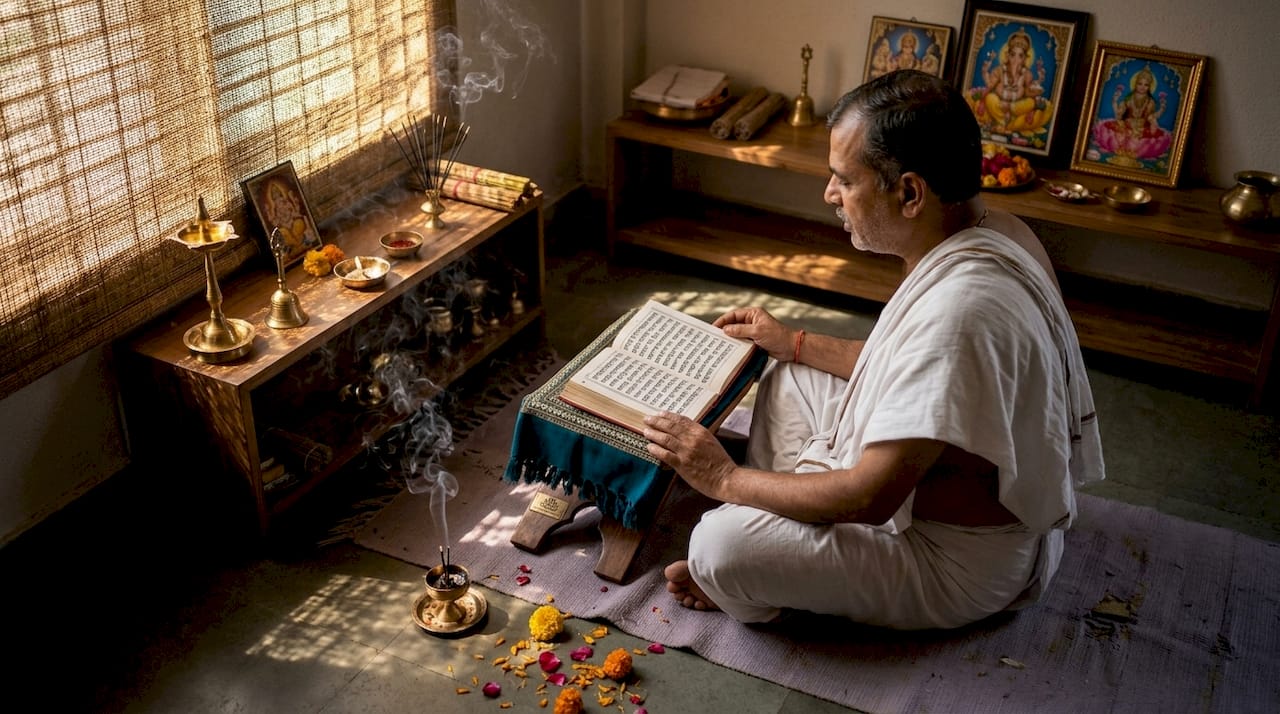
The Pandit's role is irreplaceable in this context. Priest guidance is critical because the correct sequence of rites, the specific mantras, and the timing of each ceremony depend on the family's gotra (lineage), the deceased's age and gender, and the astrological moment of death. A funeral director who does not understand this cannot substitute generic ritual for family-specific practice.
Pro Tip: Before contacting any funeral provider, write down your family's regional origin, sect affiliation, and the name of your family priest or temple. This single step saves hours of miscommunication during an already painful time.
What legal and scheduling challenges do diaspora families face?
The most immediate practical shock for diaspora families is timing. In India, cremation ideally occurs within 24 hours of death, a practice rooted in both spiritual belief and climate. Abroad, that timeline is structurally impossible. UK cremations are scheduled 3 to 5 days after death, and similar delays apply in Singapore, the US, and Australia due to death registration requirements, medical examiner clearances, and crematorium availability. This gap causes genuine distress because it compresses or disrupts the traditional 13-day mourning period, known as the Terahvin or Shraddha period, which begins at the moment of cremation.
The administrative sequence diaspora families must complete typically follows this order:
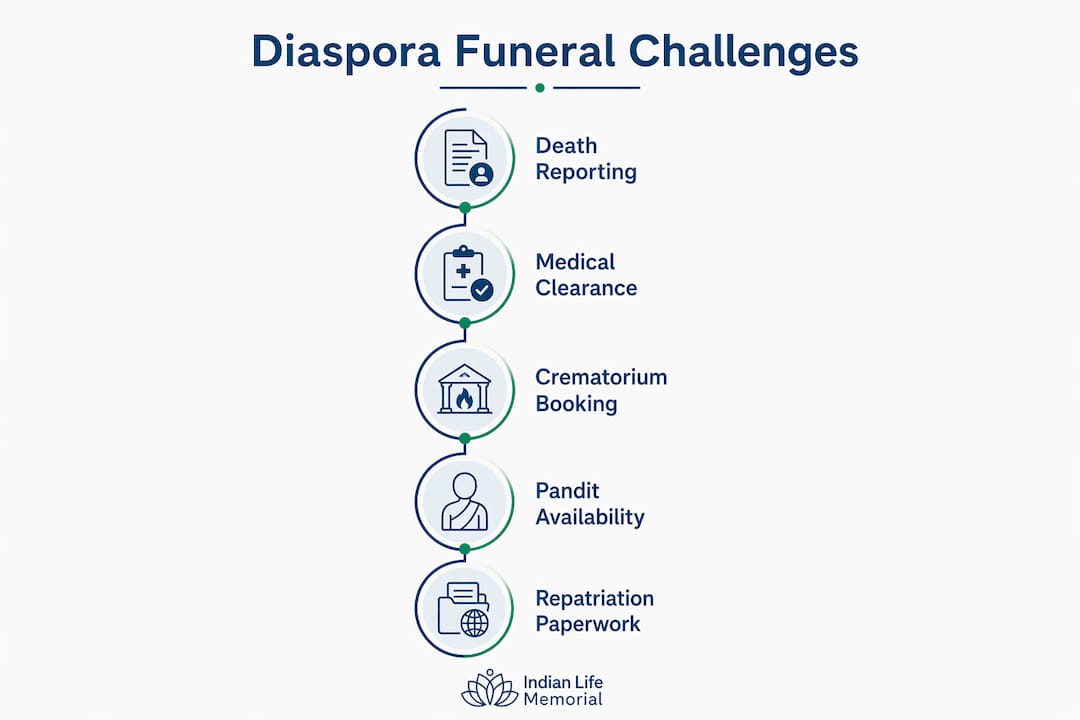
- Register the death with the local civil authority. In Singapore, this must occur within 24 hours at the Registry of Births and Deaths.
- Obtain a burial or cremation permit from the relevant authority before any disposition of remains can proceed.
- Coordinate with a crematorium to confirm ritual accommodation, witness policies, and the time allocated for the ceremony. Crematorium policies vary significantly, and some facilities limit ceremony duration to 30 minutes, which is insufficient for full Vedic rites.
- Decide on embalming only if repatriation is planned. Unnecessary embalming without a repatriation plan creates cascading administrative delays and additional paperwork that prolongs the process.
- Confirm priest availability and align the ceremony time with the Pandit's schedule and any astrologically significant windows the family observes.
Each of these steps requires proactive coordination, not reactive scrambling. Experienced practitioners treat crematorium rules as constraints requiring negotiation and pre-planning, not fixed walls. Families who engage a culturally knowledgeable funeral director early gain far more flexibility than those who call on the day of death.
Pro Tip: Ask your funeral provider specifically whether the crematorium they work with allows a Pandit to perform the full Antyesti sequence, including the lighting of the pyre or pressing of the cremation button by the eldest son. Not all facilities permit this, and knowing in advance prevents a painful last-minute compromise.
How does repatriation affect funeral planning and costs?
Repatriation, the process of returning a loved one's remains to India for final rites, is one of the most emotionally and financially significant decisions a diaspora family faces. Repatriation costs range from £3,000 to £7,000 in the UK and approximately $9,800 in the US, covering funeral home preparation, international airfreight, consular documentation fees, and receiving charges at the destination. These figures do not include local funeral costs at the country of residence, which are charged separately.
| Repatriation component | Typical cost range | What it covers |
|---|---|---|
| Funeral home preparation | $800 to $1,500 | Embalming, zinc-lined coffin, documentation |
| International airfreight | $1,200 to $3,500 | Cargo fees based on weight and destination |
| Consular/embassy fees | $200 to $600 | Death certificate authentication, transit permits |
| Receiving charges in India | $300 to $1,000 | Local funeral home, transport to cremation site |
| Coordination and agency fees | $500 to $1,200 | Funeral director's repatriation management |
The decision to repatriate must be made early because it determines every downstream choice. Repatriation requires embalming, a zinc-lined coffin, and a sealed outer container, all of which must be arranged before the body can be transported. Repatriation decisions impact embalming requirements and downstream timing, meaning a family that waits two days to decide may find that the window for compliant preparation has closed. Consular documentation, including an authenticated death certificate and a no-objection certificate from the receiving country's embassy, adds further time.
For families who choose not to repatriate, local cremation followed by ash immersion is a spiritually accepted alternative. Ash immersion at local rivers or seas is practiced among diaspora Hindu families as a substitute for immersion in the Ganges at Varanasi or Haridwar. In Singapore, immersion at sea is arranged through licensed operators. When the Ganges is inaccessible, diaspora families accept local immersion or symbolic rituals arranged near home, and most Pandits affirm the spiritual validity of this practice.
How do diaspora communities adapt traditional funeral rites?
Adaptation is not compromise. For diaspora families, adapting traditional funeral rites to the realities of a foreign country is an act of devotion, not dilution. The core purpose of the Antyesti, helping the Atman transition peacefully, remains intact even when the physical circumstances change.
The most common adaptations include:
- Home-based ceremonies replacing temple or cremation ground gatherings, particularly where community temple space is limited or the family prefers privacy.
- Condensed ritual sequences where a Pandit performs the essential mantras and fire offerings within the crematorium's time allocation, prioritizing the spiritually non-negotiable elements.
- Local ash immersion at rivers, harbors, or seas near the family's home, conducted with the same prayers and offerings that would accompany a Ganges immersion.
- Eulogies and memorial tributes woven into the ceremony. Eulogies are becoming part of diaspora practice, reflecting the influence of host country funeral customs while honoring the deceased's life in a way that resonates with younger, locally-born family members.
- Community funeral homes that specialize in Indian diaspora services, providing culturally trained staff, Pandit networks, and ritual equipment that general funeral directors cannot supply.
"The mourning period does not end at the crematorium gate. The 13-day Shraddha period, the daily prayers, the food restrictions, and the final Terahvin ceremony are all part of the same sacred continuum. A good funeral provider understands this and supports the family through the entire arc, not just the day of cremation."
Mismatches between ideal mourning timelines and diaspora legal realities cause genuine distress and hardship. Families who receive clear guidance on what is legally required versus what is spiritually adaptable are far better equipped to honor their loved ones with integrity.
Key takeaways
Indian diaspora funeral needs differ because cultural diversity, legal constraints, and logistical realities abroad each pull in a different direction, and no family navigates all three without preparation.
| Point | Details |
|---|---|
| No uniform Indian funeral exists | Regional, sectarian, and family-specific variation means every family requires a tailored approach guided by a Pandit. |
| Timing gaps cause real distress | Diaspora cremations are delayed 3 to 5 days by legal requirements, disrupting traditional 13-day mourning timelines. |
| Repatriation requires early decisions | Costs range from $3,000 to $9,800 and embalming decisions must be made immediately to avoid documentation delays. |
| Adaptation preserves sacred intent | Local ash immersion, condensed rites, and home ceremonies are spiritually valid alternatives when traditional settings are unavailable. |
| Crematorium rules need negotiation | Proactive coordination with funeral providers secures ritual accommodations that reactive planning cannot. |
What I've learned about honoring diaspora traditions under pressure
Working closely with Indian diaspora families in Singapore has taught me one thing above all others: grief is hard enough without bureaucratic confusion layered on top of it. The families who struggle most are those who discover, mid-process, that the funeral provider they chose had no understanding of why a Gujarati family's rites differ from a Tamil family's, or why the eldest son pressing the cremation button matters spiritually, not just symbolically.
The importance of funeral rites in Indian tradition is not ceremonial formality. The Samskaras are believed to directly affect the Atman's journey. When those rites are performed incorrectly, incompletely, or without the right priest, families carry that weight for years. I have seen families request repeat ceremonies months later because the original service was conducted without proper Vedic guidance.
My honest view is that the funeral industry broadly underestimates the diversity within the Indian diaspora. Offering "a Hindu funeral" as a single product is like offering "an Asian meal" at a restaurant. The category is too broad to be meaningful. What diaspora families need is a provider who asks the right questions first, understands the answers, and then builds the service around the family's specific tradition.
Flexibility and clear communication are not optional extras in this context. They are the foundation of a service that actually honors the deceased and supports the living. If your funeral provider cannot tell you how they accommodate BAPS families differently from Shaivite families, keep looking.
— Admin
How Indianlifememorial supports your family's unique needs
Indianlifememorial was built specifically for Indian diaspora families in Singapore who need more than a generic funeral service. Every family's cultural and religious background is different, and the team at Indianlifememorial understands that difference at a practical level.
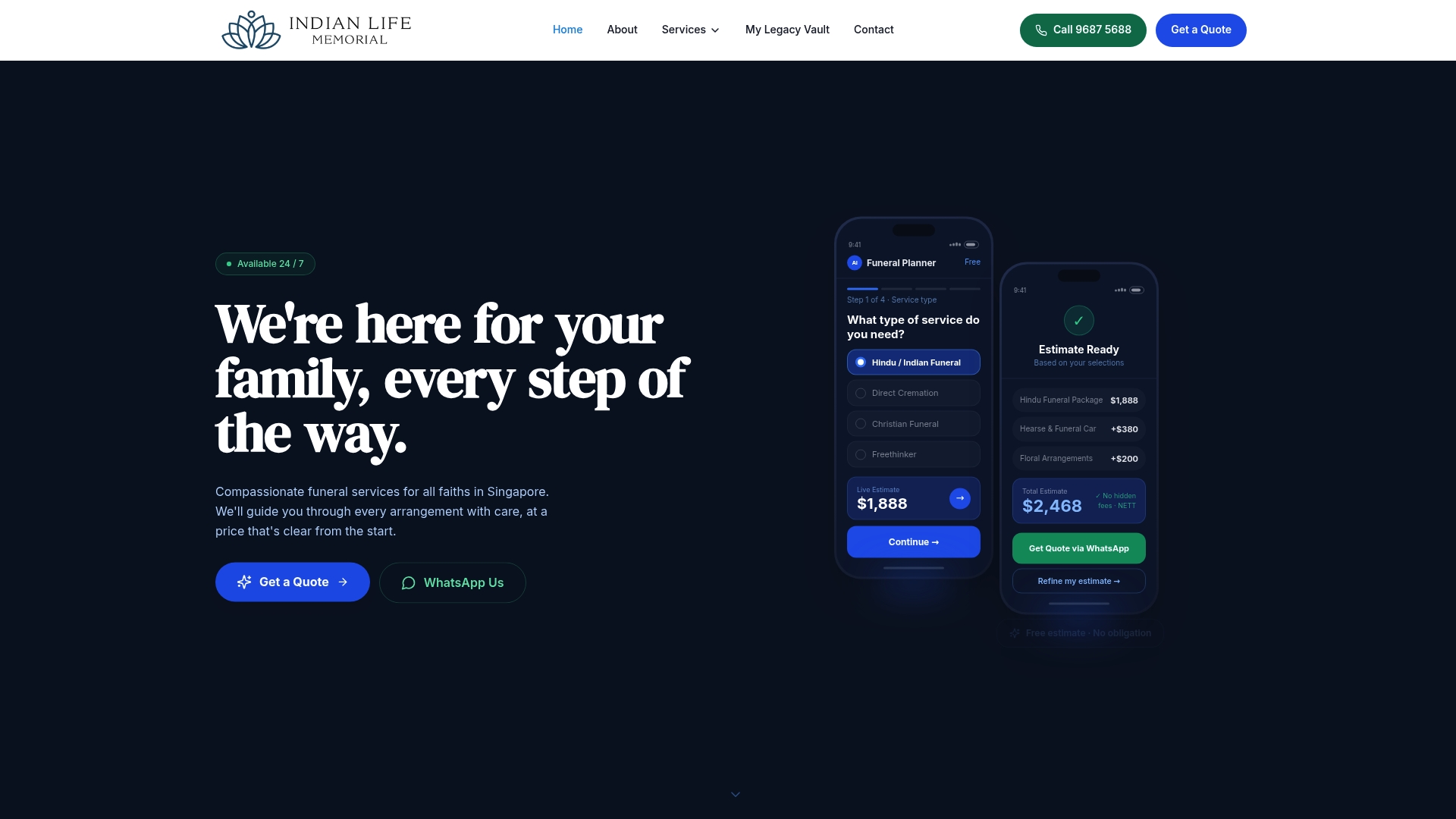
From Hindu and all-faith funeral services to full repatriation logistics and documentation support, Indianlifememorial provides experienced Pandits, transparent pricing from $1,888 with no hidden fees, and 24/7 availability when your family needs guidance most. The step-by-step process removes uncertainty at every stage, so your family can focus entirely on honoring your loved one. Explore the funeral packages available to find the arrangement that fits your family's tradition, timeline, and budget.
FAQ
Why do Indian diaspora funeral customs vary so much?
Hindu funeral customs differ widely by region, sect, and family lineage, meaning Gujarati, Punjabi, Tamil, and Bengali families each observe distinct rites. There is no single standard practice, and a Pandit's guidance is required to perform the correct sequence for each family.
How long does cremation take to arrange abroad?
Diaspora cremations typically take 3 to 5 days to schedule due to death registration, medical clearances, and crematorium availability. This delay compresses the traditional 13-day mourning period and requires early coordination with a culturally knowledgeable funeral provider.
Is repatriation to India always necessary?
Repatriation is not spiritually required. Local cremation followed by ash immersion at a nearby river or sea is a widely accepted alternative among diaspora Hindu families, and most Pandits affirm its spiritual validity when travel to India is not feasible.
What documents are needed for repatriation?
Repatriation requires an authenticated death certificate, embalming certification, a zinc-lined sealed coffin, consular transit permits, and a no-objection certificate from the receiving country's embassy. Engaging a funeral director experienced in repatriation documentation from the start prevents costly delays.
Can traditional Hindu rites be performed at a foreign crematorium?
Yes, with advance coordination. Crematorium policies vary on witness access, ceremony duration, and ritual accommodation, so families must confirm these details before booking. A funeral provider with established crematorium relationships can negotiate the space and time needed for full Vedic rites.
Recommended
- Indian Life Memorial | Funeral Services Singapore | 24/7 Hindu, Christian, All Faiths
- Indian Life Memorial | Funeral Services Singapore | 24/7 Hindu, Christian, All Faiths
- Indian Life Memorial | Funeral Services Singapore | 24/7 Hindu, Christian, All Faiths
- Indian Life Memorial | Funeral Services Singapore | 24/7 Hindu, Christian, All Faiths