
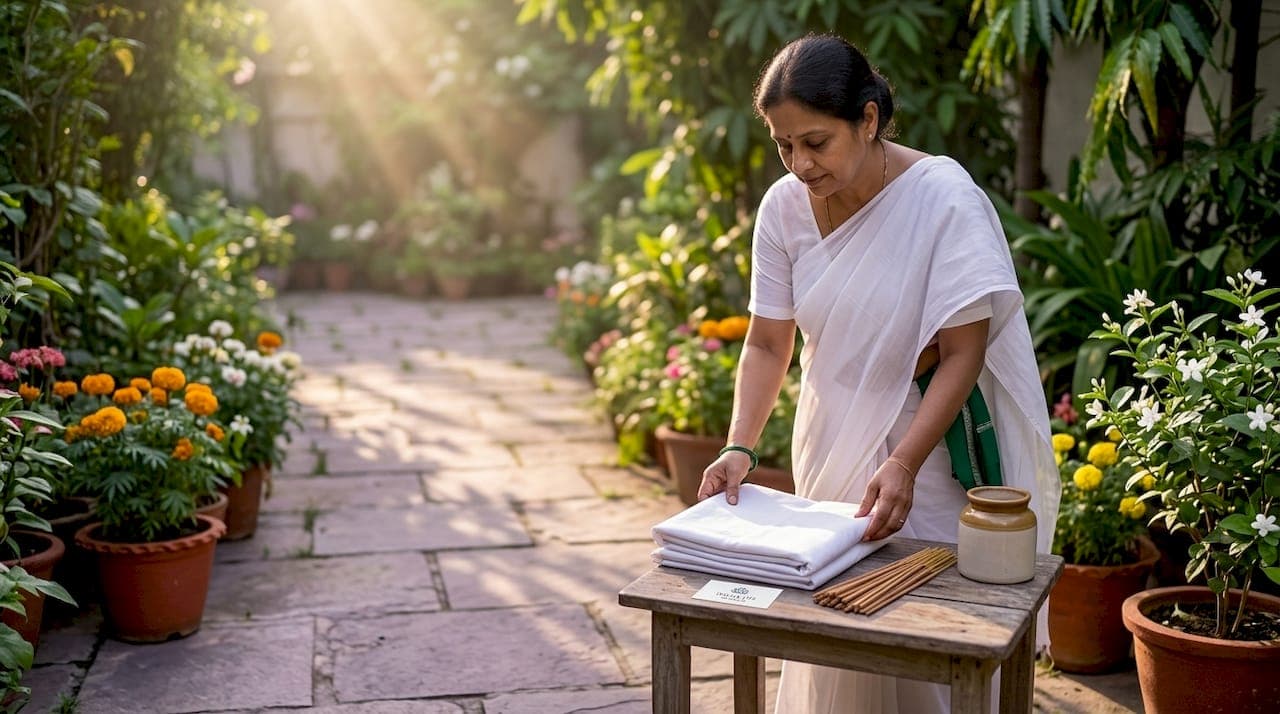
Hindu funeral attire dress code is defined by modesty, simplicity, and the symbolic use of white or light, muted colors to honor the departed and support the grieving family. The Antyesti, or Hindu last rites, are sacred ceremonies where clothing choices carry deep spiritual meaning. White represents the purity of the Atman, the soul, and its detachment from the physical world. Understanding the correct clothing for Hindu death ceremonies helps families and guests show respect without adding to the family's burden during an already difficult time. This guide covers everything your family needs to know about appropriate attire for a Hindu funeral.
What colors and styles define the Hindu funeral attire dress code?
White and light subdued colors are the most respectful choices for Hindu funeral clothing, symbolizing purity and mourning. The acceptable color palette includes white, cream, ivory, pale grey, soft beige, stone, and sometimes light blue. These colors reflect the Hindu belief in the soul's peaceful transition rather than the finality of death.
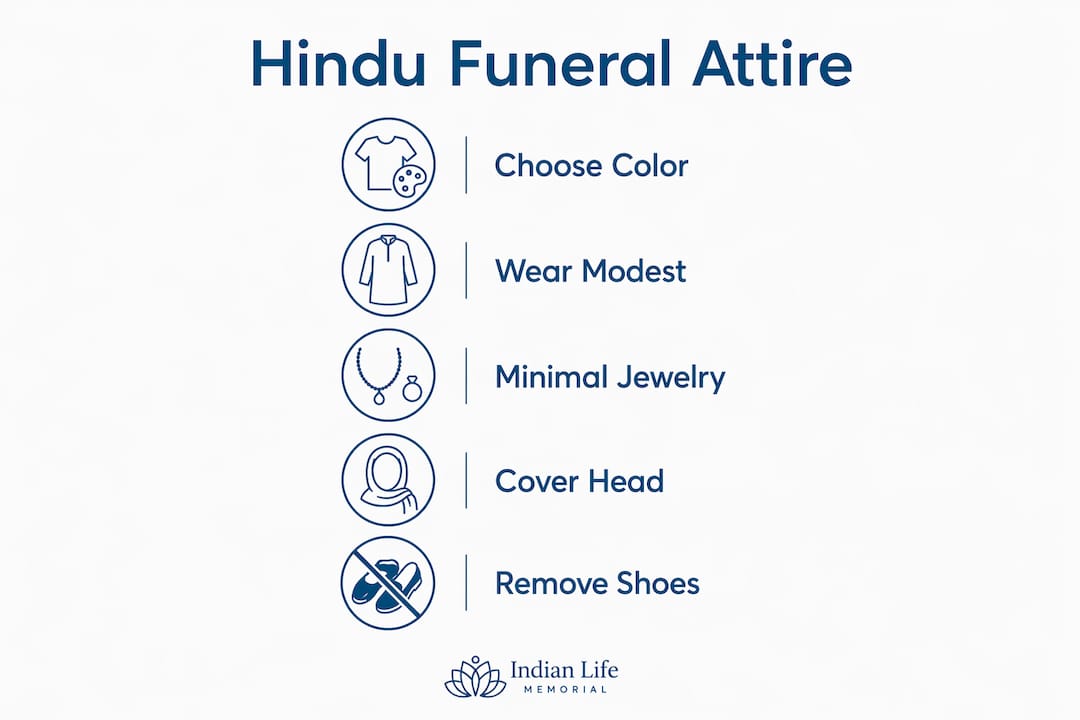
Black is generally avoided in traditional Hindu mourning dress, though some Westernized families may wear it. White represents purity and detachment, two concepts central to Hindu mourning philosophy. This stands in direct contrast to Western funeral customs, where black is the default color of grief.
Bright colors carry specific cultural associations that make them inappropriate at most Hindu funerals:
- Red and orange are colors of celebration and festivity. Wearing them signals joy, not mourning.
- Bright pink and yellow are similarly associated with auspicious occasions like weddings.
- Flashy patterns and bold prints draw attention and conflict with the solemnity of the occasion.
- Regional exception: Red may appear for a deceased married woman in certain regional or family customs. Always confirm with the family before wearing red for any reason.
Pro Tip: When uncertain about color, choose plain white or cream. These choices are universally respectful across all Hindu communities and regional traditions.
The principle behind Hindu funeral clothing guidelines is not aesthetic preference alone. Color choices reflect the family's spiritual understanding of death as a transition, not an ending. Dressing accordingly shows that you share in that reverence.
What clothing options are recommended for men and women?
Practical attire choices for a Hindu funeral follow clear guidelines for both men and women, with traditional Indian garments preferred but modest Western clothing also accepted. The core rule is simple: cover the body modestly, choose plain fabrics, and avoid anything that draws attention away from the ceremony.
For men attending a Hindu funeral, the recommended options are:
- Kurta pyjama in white or cream. This is the most culturally aligned choice and signals respect for tradition.
- Plain shirt with trousers in white, cream, pale grey, or soft beige. A simple, well-fitted shirt with no bold patterns works well.
- Light-colored suit in muted tones. A plain suit without bright ties or pocket squares is acceptable for formal settings.
- Avoid: Jeans, shorts, sleeveless shirts, or any clothing with logos or graphics.
For women, the recommended options are:
- Saree in white, cream, or pale colors. This is the most traditional choice and deeply respected.
- Salwar kameez in subdued tones. A plain, modest set without heavy embroidery or embellishment is appropriate.
- Modest Western dress or blouse with trousers or a skirt that covers the knees and shoulders. The fabric should be plain and the fit should not be tight.
- Avoid: Sleeveless tops, short skirts, low necklines, or anything with sequins or bright embroidery.
Modest Western attire in white or cream is fully appropriate when traditional Indian clothing is unavailable. The intention behind the clothing matters as much as the garment itself. Families notice and appreciate the effort.
Pro Tip: If you are attending as a non-family guest and do not own traditional Indian attire, a plain white or cream blouse with tailored trousers or a modest skirt is entirely respectful and appropriate.
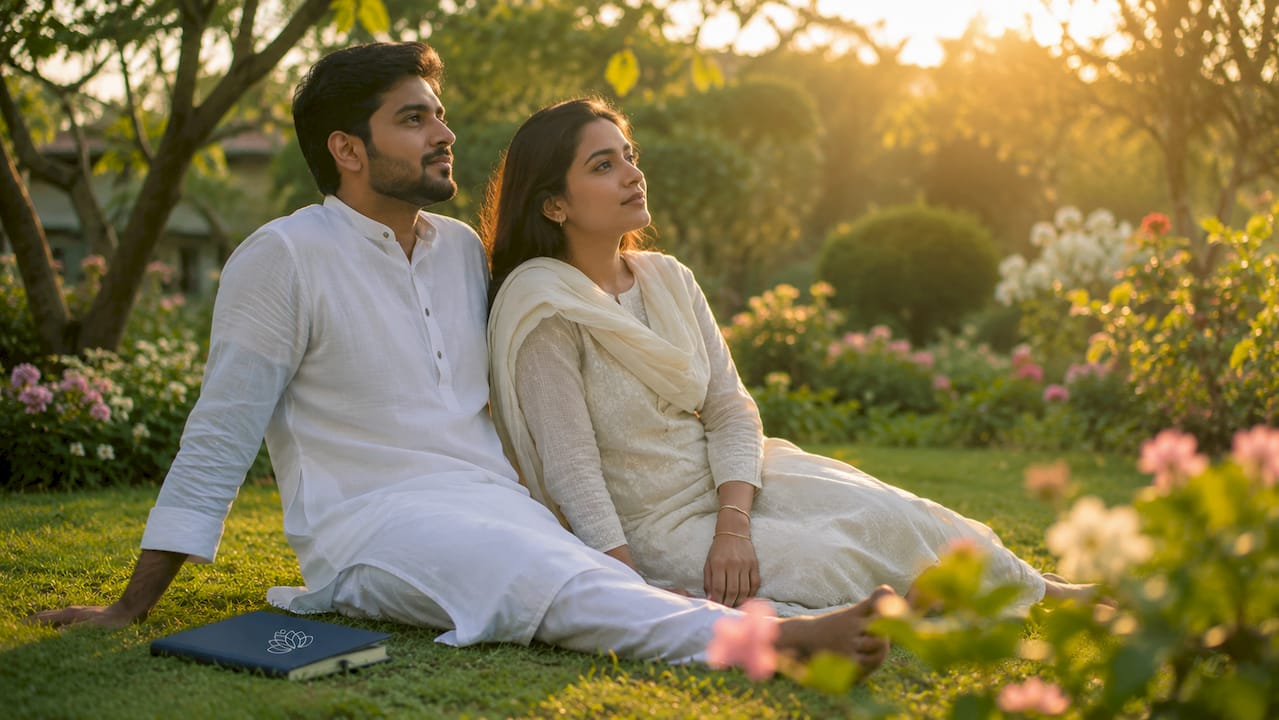
Jewelry for women should be minimal. Married Hindu women may wear small traditional pieces, but overall restraint is the standard. Avoid statement necklaces, large earrings, or anything that catches the eye. The focus of the ceremony is the departed soul and the grieving family, not personal adornment. You can learn more about the full scope of Hindu funeral rites to understand how attire fits within the broader ritual context.
How should head coverings, footwear, and accessories be handled?
Head coverings and footwear etiquette are often overlooked, yet they are among the most visible signs of respect at a Hindu funeral. Getting these details right shows genuine cultural awareness.
Head coverings:
- Head coverings are not strictly required at most Hindu funerals, but they are customary when entering a Mandir, or Hindu temple.
- If the ceremony takes place in a temple, both men and women should cover their heads as a sign of reverence.
- Bringing a light scarf serves multiple purposes. It can cover the head when entering sacred spaces, provide modesty when kneeling, and add a layer of coverage if needed during outdoor ceremonies.
- Follow the family's lead. If family members are covering their heads, guests should do the same.
Footwear:
- Remove shoes before entering family homes or prayer spaces. This is standard practice and non-negotiable in most Hindu households.
- Closed-toe shoes are preferred over sandals or open-toed footwear for the ceremony itself.
- Wear clean socks. Many venues require shoe removal, and clean socks show consideration for the space and the family.
- Avoid shoes with loud buckles, high heels, or anything that makes noise when walking.
Accessories:
- Flashy or colorful accessories are considered inappropriate and distract from the solemnity of the occasion.
- Keep watches, bags, and belts plain and understated.
- Silence all mobile devices before entering the ceremony space.
A light scarf is one of the most practical items you can bring to a Hindu funeral. It addresses head covering, modesty, and ritual coverage in a single, unobtrusive item.
What dress code etiquette applies to non-Hindu guests?
Non-Hindu guests are genuinely welcome at Hindu funerals, and their presence is a meaningful act of solidarity. The dress code expectations for non-Hindu attendees follow the same core principles: modesty, subdued colors, and quiet respect.
Clothing guidance for non-Hindu guests:
- Choose white, cream, pale grey, or soft beige. These colors communicate respect without requiring any cultural knowledge beyond this guide.
- Traditional Indian attire is appreciated but never required. A plain Western outfit in the right colors is fully appropriate.
- Cover shoulders and knees. This applies regardless of the weather or venue.
- Avoid perfume or cologne. Strong scents can be distracting during prayer and ritual.
Non-Hindu guests may approach the casket and pay their respects, but should maintain quiet and keep mobile devices silent throughout. Ritual participation is optional. Follow the family's lead on whether to join in prayers or offerings.
"The true measure of respect at a Hindu funeral is not whether you wear a saree or know every prayer. It is whether you arrive with a quiet heart, dressed modestly, and focused entirely on honoring the family and the departed."
Many families deeply appreciate guests who check in advance about dress expectations. Asking a simple question before the ceremony reflects thoughtfulness and honors the family's mourning process. When in doubt, contact the family or a trusted community member for guidance. For regional customs specific to Singapore's Hindu community, the Hindu funeral Singapore guide offers practical, locally relevant advice.
Key Takeaways
Appropriate Hindu funeral attire centers on white or muted colors, modest cuts, minimal accessories, and respectful footwear etiquette that honors the sacred nature of the Antyesti rites.
| Point | Details |
|---|---|
| Choose white or muted colors | White, cream, ivory, pale grey, and soft beige are universally respectful choices for Hindu funerals. |
| Dress modestly for all genders | Men wear kurta pyjama or plain shirts; women wear sarees, salwar kameez, or modest Western attire covering shoulders and knees. |
| Bring a light scarf | A scarf covers the head in temples, adds modesty, and meets multiple ritual etiquette needs in one item. |
| Remove shoes when required | Always remove footwear before entering homes or prayer spaces, and wear clean socks as a courtesy. |
| Non-Hindu guests follow the same rules | Modest white or subdued clothing, quiet presence, and following the family's lead are the core expectations for all attendees. |
Why attire at a Hindu funeral matters more than most people realize
Working alongside grieving families over many years has shown me one consistent truth: the families who feel most supported are surrounded by people who arrived prepared. Attire is not a superficial concern at a Hindu funeral. It is a visible expression of your understanding that this ceremony is sacred.
The most common misstep I see is well-meaning guests arriving in dark Western clothing, assuming black is universally appropriate for funerals. It is not. White clothing at a Hindu funeral signals that you understand the soul's departure as a moment of spiritual release, not just personal loss. That distinction matters deeply to Hindu families.
The second misstep is neglecting footwear. Arriving in shoes that cannot be easily removed, or wearing no socks, creates an awkward moment at the entrance to a family home. It is a small detail that carries a large signal about your level of preparation and respect.
My honest advice: if you are unsure about any element of the dress code, ask. Families consistently tell me they appreciate guests who reach out in advance. That single act of consideration does more for communal grief than any perfectly chosen outfit.
— Admin
Indianlifememorial: culturally sensitive Hindu funeral support
Preparing for a Hindu funeral involves far more than attire. Indianlifememorial provides full-suite Hindu funeral services in Singapore, with experienced Pandits, proper Vedic rites, and transparent pricing starting at $1,888 with no hidden fees. The team guides families through every step of the Antyesti, from ritual preparation to the final rites, so your family can focus on honoring your loved one.

Indianlifememorial's specialist Hindu funeral services include guidance on cultural customs, attire expectations, and ritual etiquette for both family members and guests. Support is available 24/7, because grief does not follow a schedule. Reach out to Indianlifememorial whenever your family needs compassionate, culturally informed guidance.
FAQ
What is the most appropriate color to wear to a Hindu funeral?
White is the most appropriate and universally respected color for a Hindu funeral, symbolizing purity and the soul's detachment from the physical world. Cream, ivory, pale grey, and soft beige are also acceptable choices.
Can non-Hindu guests wear Western clothing to a Hindu funeral?
Yes. Modest Western clothing in white or subdued neutral tones is fully appropriate for non-Hindu guests. The priority is modesty and respectful color choice, not the style of the garment.
Should guests remove their shoes at a Hindu funeral?
Guests should remove shoes before entering family homes or prayer spaces, which is standard practice at Hindu funerals. Wearing clean socks is considerate, as many venues require shoe removal.
Is black clothing acceptable at a Hindu funeral?
Black is generally avoided at traditional Hindu funerals, though some Westernized families may wear it. White or muted colors remain the safest and most culturally respectful choice.
Do non-Hindu guests need to participate in rituals?
Ritual participation is optional for non-Hindu guests. Following the family's lead, maintaining silence, and keeping mobile devices off are the most important forms of respect a guest can show.