
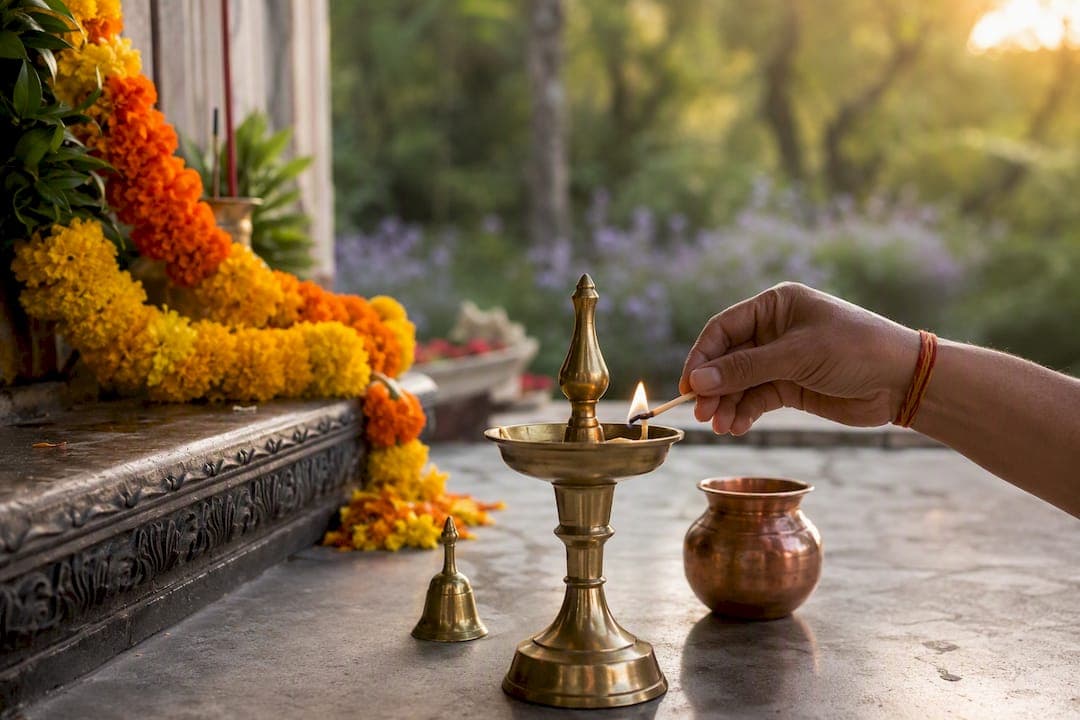
A religious ceremony package is a bundled funeral service that combines faith-specific rites, a qualified priest, and the logistics needed to carry out cremation and post-funeral rites. For a Hindu family, that means Vedic ceremonies performed correctly, in the right order, alongside the practical work of collecting the deceased, booking the crematorium, and handling the ashes afterward.
In this guide, that phrase means one thing only: a funeral package built around Hindu or Indian rites. It does not refer to wedding or celebration ceremonies. A genuine religious funeral package should include:
- A pandit or priest experienced in Vedic funeral rites
- Body collection, embalming, and dressing
- A casket and wake venue setup
- Cremation booking and crematorium fees
- Ash collection and immersion or repatriation options
- Transport for the family and mourners
Key Takeaways
A religious ceremony package works best when it bundles a qualified priest, itemized logistics, and written ash-handling protocols into one transparent, faith-specific plan.
| Point | Details |
|---|---|
| Definition matters | A religious ceremony package pairs faith-specific rites with logistics like transport, cremation, and ash handling. |
| Match ritual to region | Confirm the priest's language and regional tradition (Tamil, Telugu, Hindi) before booking. |
| Written pricing prevents disputes | Insist on an itemized quote covering priest fees, casket, transport, and cremation costs. |
| Costs range widely | Singapore packages vary widely depending on ritual days and add-ons. |
| Indian Life Memorial offers fixed pricing | Packages start at $1,888 with 24/7 coordination and transparent, itemized inclusions. |
Table of Contents
- What Does a Hindu Funeral Package Typically Include?
- What Are the Main Stages of a Hindu Funeral?
- How Do You Choose the Right Religious Ceremony Package?
- How Much Does a Religious Funeral Package Cost?
- What Legal and Logistical Tasks Should the Provider Handle?
- Do Hindu Funeral Packages Vary by Region or Community?
- North Indian vs South Indian Funeral Rites: What Changes in the Package?
- Are There Environmentally Conscious Options Within Hindu Funeral Packages?
- How Do Funeral Services Actually Coordinate Day by Day?
- How Indian Life Memorial Handles Religious Ceremony Packages
- What Arrangers Wish Families Knew
- Sources and Further Reading
- Frequently Asked Questions
What Does a Hindu Funeral Package Typically Include?
A written quote should read like an itemized menu, not a vague promise. Ask any provider to break the package into logistics, ritual services, aftercare, and administrative help, and expect specifics under each heading.
On the logistics side, look for 24/7 body collection, transport of the deceased, embalming and dressing, a coffin or half-glass casket, and setup of the wake venue, whether that is a void deck, a home, or a funeral parlor. Ritual services should name a qualified priest for Vedic rites, the bathing ceremony (abhishegam), chanting and recitals, and guidance for family members performing their own rites during the wake.
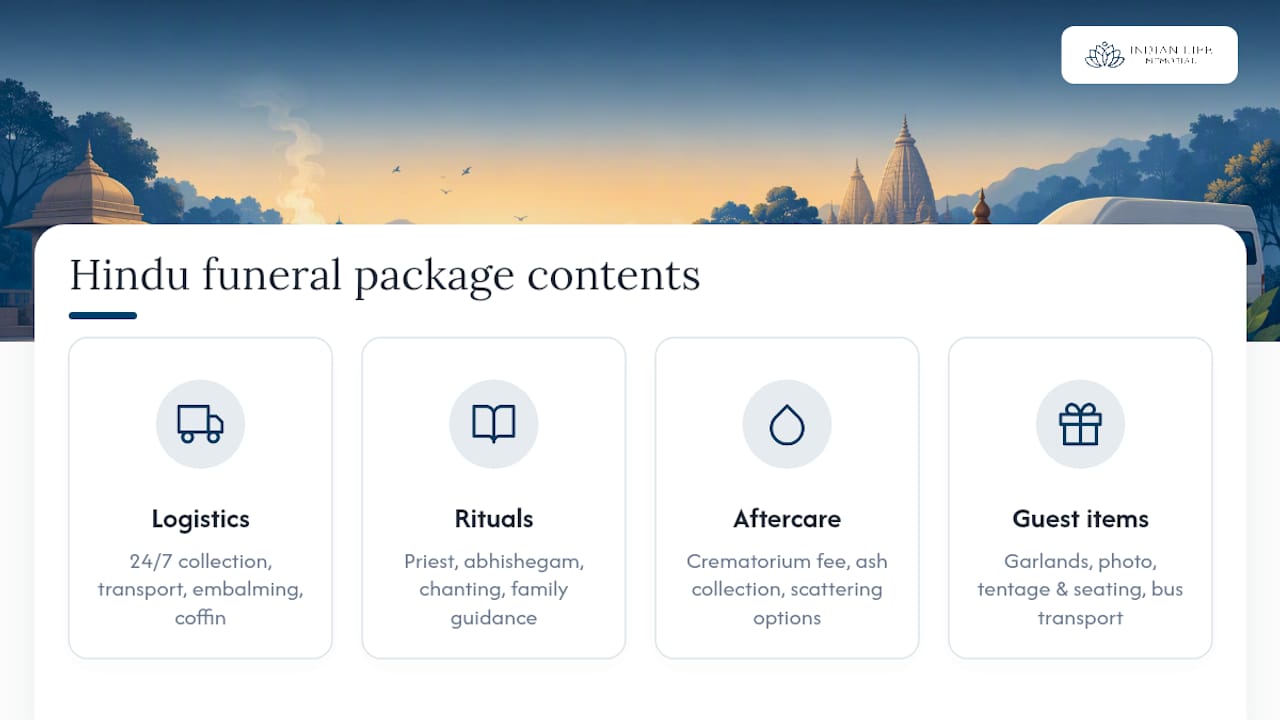
Cremation and aftercare cover the crematorium fee (Mandai Crematorium handles most Hindu cremations in Singapore), the ash collection service, and options for sea or river scattering or repatriation for immersion abroad. Guest and practical items round out the package: floral garlands, a photo enlargement of the deceased, tentage and seating, and bus transport for mourners. Some providers include catering or refreshments, worth checking before you arrange it separately.
Administrative support matters just as much as ritual items. A solid package includes help booking the cremation slot, guidance on the Certificate of Cause of Death, and sometimes obituary notices.
Pro Tip: Ask specifically which items are add-ons. Hearse upgrades, premium floral arrangements, overseas ash immersion, and extended memorial rites are frequently sold separately, even inside a package that looks "full."
For families choosing floral offerings or wake décor, a family guide to Hindu funeral flowers and offerings explains what's customary versus optional.
What Are the Main Stages of a Hindu Funeral?
Hindu funeral rites, sometimes called antyeshti, follow a recognizable sequence, and knowing that sequence helps you match each stage to the vendor task that should support it. Ethnographic accounts of Hindu funeral practice describe four broad phases: preparation and viewing, cremation, immediate post-cremation rites, and memorial ceremonies held on the 10th, 13th, or 16th day.
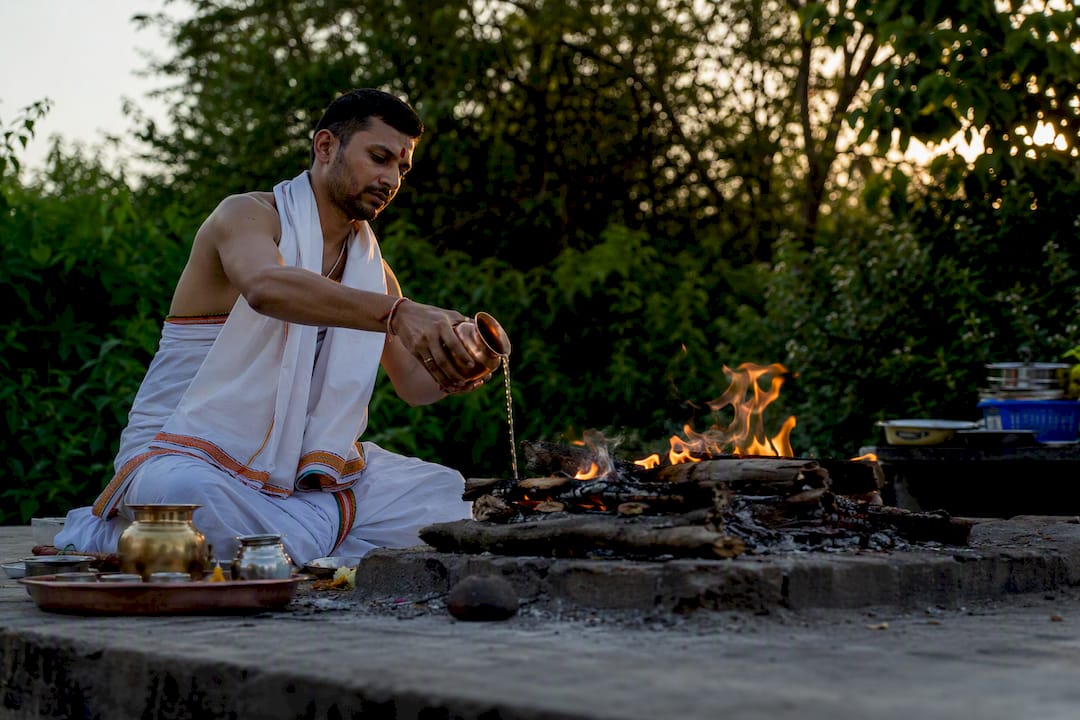
Body preparation involves washing, dressing, and often turmeric or abhishegam rituals before the wake. A capable provider handles the physical preparation while the priest guides the family through the accompanying prayers.
Cremation day brings transport to the crematorium, priest-led chanting, and, in many Hindu households, cremation within 24 to 48 hours of death. Ashes are typically ready for collection the following day, whether for retention, sea scattering, or repatriation for immersion.
- Preparation and viewing: washing, dressing, wake setup
- Cremation (antyeshti): transport, priest-led rites, chanting
- Immediate aftermath: ash collection, transport arrangements
- 10th/13th/16th-day rites: home rituals, priest return visit, family closure ceremonies
Post-cremation support often gets overlooked in early planning. Families frequently need a priest to return for the 10th or 13th-night rites, plus help coordinating home rituals. Regional practice varies too: North Indian and South Indian households don't always follow identical timing or ritual language, so ask directly whether the provider adapts.
Pro Tip: If your family speaks Tamil, Telugu, or Hindi at home, confirm the priest conducts rites in that language. A mismatch here causes more distress than almost any other planning gap.
For a deeper walk-through of family roles and duties at each stage, see what Hindu funeral rites actually involve.
How Do You Choose the Right Religious Ceremony Package?
Choosing well comes down to asking the right questions before you sign anything, not after. Start with the basics: confirm the priest's qualifications and experience with Vedic rites, verify the crematorium slot and Mandai arrangements, and ask exactly who collects the ashes and how repatriation works if you need it.
Check these credentials before committing to any provider:
- A licensed funeral director with documented experience in Hindu or Indian rites
- A named, qualified priest, not a vague reference to "arranging a priest"
- Written, itemized pricing with no bundled mystery fees
- Testimonials or references from other Hindu families
- A clear, written timeline covering each day of the wake and rites
Watch for red flags that suggest a provider is out of its depth: vague pricing quoted verbally rather than in writing, no defined timeline, claims about "arranging rituals" without naming who performs them, or unclear policy on ash handling and return.
Customization matters more than most families realize going in. Ask whether rituals can be adapted to your regional tradition, whether the provider can source specific ritual items such as Ponni arisi rice, desi ghee, or banana leaf arrangements, and how quickly cremation can be scheduled after death.
- Can the priest perform rites in our family's regional language?
- Who coordinates the eldest son's ritual responsibilities and family volunteers?
- What transport capacity is included for mourners?
- What aftercare, including 10th or 13th-day rites, is covered versus billed separately?
Indian Life Memorial's own funeral package inclusions checklist walks through these questions in more detail if you want a reference to keep on hand while calling providers.
How Much Does a Religious Funeral Package Cost?
Price ranges vary widely depending on how many days of ritual you need and how elaborate the ceremony is. Industry reporting indicates that Hindu funeral packages in Singapore range from more basic one-day packages to multi-day traditional packages with fuller ritual coverage.
What drives the difference? The number of ritual days booked, priest fees, casket choice (a half-glass casket costs more than a basic one), the Mandai cremation fee, bus and hearse transport, and whether ashes are scattered locally or repatriated overseas.
One example of a full Hindu funeral package includes itemized services such as collection, embalming, bathing ceremony items, floral garlands, tentage, mourner transport, the cremation fee, and ash collection with an optional sea scattering add-on.
Cost snapshot: A basic direct cremation service can run a fraction of a full multi-day traditional package once you add priest fees, extended ritual days, premium flowers, and overseas ash immersion. Sea scattering abroad, large band accompaniments, and generous quantities of sandalwood or ghee are the line items most likely to double a quote.
- Number of ritual days booked
- Priest fees and ritual complexity
- Casket type and wake venue
- Transport and bus hire for mourners
- Overseas ash repatriation or sea scattering
What Legal and Logistical Tasks Should the Provider Handle?
A capable provider should take the administrative burden off your family's shoulders, not add to it. That starts with coordinating the Certificate of Cause of Death with the attending doctor and helping you understand which permits are needed before cremation can proceed.
- Death certificate and CCOD coordination with medical staff
- Booking the crematorium slot at Mandai or another approved facility
- Body collection, hearse transport, and mourner bus arrangements
- Ash collection transport, typically the day after cremation
- Documentation for overseas ash shipment or sea-scattering permits
Turnaround time matters in Hindu practice, where cremation often happens within 24 to 48 hours of death. A provider that can confirm a same-day or next-day crematorium slot, and who assigns one coordinator as your single point of contact, prevents the scramble that usually causes the most stress in the first 48 hours.
Do Hindu Funeral Packages Vary by Region or Community?
Not every Hindu family follows identical rites, and a package that ignores that reality can leave gaps exactly where families notice them most. Tamil, Telugu, Malayalam, Gujarati, and Hindi-speaking households each carry distinct conventions around chant sequences, the timing of the bathing ceremony, and which family member leads specific prayers.
A South Indian family might expect the eldest son to shave his head as part of mourning rites and expect abhishegam performed with particular items like turmeric water and milk. A North Indian family may follow a different sequence for the pind daan or place different emphasis on which day marks the primary memorial ceremony. Community-specific practices, whether tied to caste tradition, regional temple affiliation, or family lineage, also shape small but meaningful details: which flowers are appropriate, whether meat is served during the mourning period, and how visitors are received at the wake.
This is precisely why a generic "Hindu package" sold without room for adjustment often disappoints families. The strongest providers build flexibility into their packages rather than treating regional variation as an inconvenience. That means sourcing a priest who can conduct rites in the family's language, adjusting the order and duration of rituals, and accommodating community-specific requests around food, dress, or ceremonial objects. Before booking, ask directly whether the package can flex to your specific tradition, not just "Hindu rites" in general. The answer tells you a lot about how the provider actually operates.
North Indian vs South Indian Funeral Rites: What Changes in the Package?
The core structure, preparation, cremation, and memorial rites, stays consistent across Hindu traditions, but the details inside each stage shift enough to matter for package planning. North Indian rites often place particular emphasis on the pind daan ritual and specific timing for the asthi sanchayan, the collection of remains. South Indian traditions, particularly Tamil and Telugu practices, tend to emphasize the bathing ceremony and specific chants recited by the priest during the antyeshti itself.
Language is the most practical difference families run into. A priest fluent in Sanskrit and Tamil chants isn't automatically prepared to conduct a North Indian Hindi-language ceremony, and the reverse is equally true. When comparing packages, ask the provider directly which regional traditions their priests are trained in, rather than assuming "Hindu funeral rites" covers every variation equally.
Ritual timing also differs. Some South Indian communities observe the 16th-day ceremony as the definitive close of mourning, while other households mark the 13th day as the primary memorial event. A package built around a fixed 13-day structure may not match what your family's tradition actually requires, so this is worth clarifying in writing before the wake even begins, not after.
The practical takeaway: treat "North Indian" or "South Indian" as a filter question when you call a provider, not an assumption they'll figure out on their own.
Are There Environmentally Conscious Options Within Hindu Funeral Packages?
Environmental considerations are becoming a more common question families raise, particularly around ash handling and cremation choices. Cremation itself, the standard practice in Hindu funeral rites, is already viewed by many families as a lower-impact choice compared to burial, since it requires no permanent land use.
Where families have more say is in what happens after cremation. Ash scattering at sea, arranged through approved local operators, avoids the environmental and logistical complexity of urn storage or overseas transport. Some families choose biodegradable urns for temporary holding before scattering or immersion, reducing material waste compared to permanent decorative urns.
Overseas repatriation for river immersion, while ritually significant for many families, carries a heavier logistical and environmental footprint due to international transport and documentation. If a family wants to honor tradition while reducing that footprint, local sea scattering through Singapore's approved services offers a middle path that still fulfills the spiritual intent of returning ashes to water.
Ask your provider whether biodegradable options exist for temporary urns, and whether local sea scattering is offered as an alternative to overseas immersion. Few packages advertise this as a distinct feature, but most experienced providers can accommodate the request if you ask directly.
How Do Funeral Services Actually Coordinate Day by Day?
Understanding the day-by-day flow helps you see exactly when each part of the package activates, rather than treating it as one lump service. In the hours immediately after death, the provider should handle body collection, help you coordinate the Certificate of Cause of Death with medical staff, and confirm a cremation slot, often within 24 to 48 hours given Hindu practice around prompt cremation.
The day before or the morning of the wake, embalming, dressing, and bathing ceremony preparations happen, alongside setup of the wake venue and delivery of floral arrangements. During the wake itself, the priest leads chanting and guides the family through visiting rites, while the provider manages guest logistics: seating, tentage, and refreshments if included.
On cremation day, transport moves the deceased to Mandai Crematorium, the priest performs the final rites, and the family completes the cremation. Ashes become available for collection the following day, whether the family chooses local retention, sea scattering, or the paperwork process for overseas repatriation.
In the days that follow, the provider's role often shifts to supporting the 10th, 13th, or 16th-day memorial rites, which may mean arranging the priest's return visit or advising on home ritual requirements. A provider who maps this entire sequence out for you in writing, before the wake even starts, removes most of the uncertainty families describe as the hardest part of funeral planning.
How Indian Life Memorial Handles Religious Ceremony Packages
Indian Life Memorial builds its Hindu and Indian funeral packages around exactly the structure this guide walks through: 24/7 body collection, a qualified priest for Vedic rites, coordinated Mandai cremation booking, and ash collection with repatriation support when families need it.
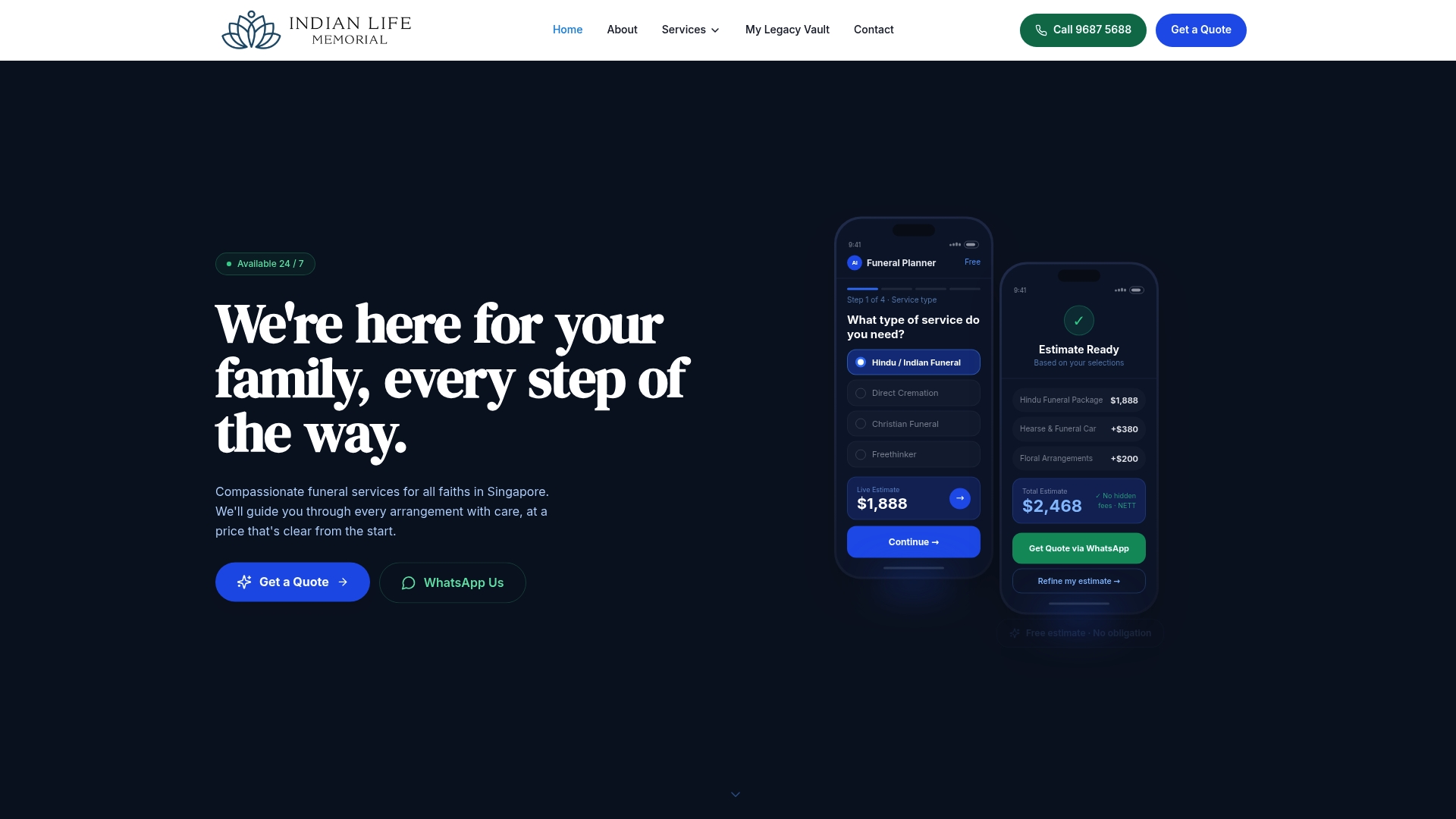
Pricing is fixed and published upfront, starting at $1,888, with no hidden fees buried in the fine print. Every package is itemized before you sign anything, so you know exactly what covers the priest's fees, the cremation slot, and transport, versus what counts as an add-on. Families who've worked with the team describe the staff as compassionate and professional during a period when clear communication matters more than almost anything else. That combination of cultural fluency and pricing transparency is what separates a package you can trust from one that leaves gaps you discover too late.
If you're arranging a funeral now or want to compare options before you need to, visit the full range of Hindu and Indian funeral packages to see itemized inclusions and get in touch with a coordinator available 24/7.
What Arrangers Wish Families Knew
Confirm the priest's ritual language and insist on a written, itemized quote before anything else. A clear timeline and a single point of contact make the days that follow far less overwhelming.
Sources and Further Reading
- Hindu funeral Singapore guide covers logistics and ceremonial detail.
- What Are Hindu Funeral Rites: A Family Guide explains rites and family roles.
- Funeral Pricing Sydney: Transparent Funeral Costs shows how another market structures package pricing.
- Indian Life Memorial's package list for direct comparison and next steps.
Frequently Asked Questions
What is a religious ceremony package for a funeral? It's a bundled service combining faith-specific rites, such as Vedic ceremonies, with a qualified priest and the logistics needed for cremation and aftercare, all under one written arrangement.
Does a religious ceremony package include the priest's fee? Most full packages include the priest's fee as a line item. Always confirm this in writing, since some providers bill priest services separately from the base package.
How soon after death does a Hindu cremation typically happen? Hindu practice generally favors prompt cremation, often within 24 to 48 hours of death, which is why confirming crematorium slot availability early matters.
Can a religious ceremony package be customized for South Indian versus North Indian rites? Yes. A capable provider adjusts ritual language, chant sequences, and timing to match your family's specific tradition rather than applying a single generic format.
What happens to the ashes after cremation? Ashes are typically ready for collection the day after cremation. Families can retain them, arrange local sea scattering, or complete documentation for overseas repatriation and river immersion.