

Funeral costs seem high because they combine dozens of mandatory professional fees, regulated overhead charges, and optional services that families rarely anticipate during one of the most emotionally difficult moments of their lives. The average traditional funeral now runs between $7,736 and $8,300 in 2026, up from $6,500 in 2022. That 19% increase reflects rising labor costs, real estate expenses, and tighter regulatory compliance requirements. Understanding the funeral expenses breakdown before you need it gives your family the clarity to make decisions with confidence rather than grief-driven urgency.
Why funeral costs seem high: the real drivers
Funeral pricing is not arbitrary. Every line item on an invoice reflects a real cost the funeral home carries, from trained staff available around the clock to refrigerated facilities and government-mandated documentation.
The basic services fee is the single largest fixed charge on most funeral invoices, ranging from $2,000 to $3,500. This fee is non-declinable by law. It covers funeral director coordination, death certificate filing, transportation permits, and the overhead required to keep a licensed facility operational. Families cannot opt out of it, which is why it anchors the total cost before any optional service is added.
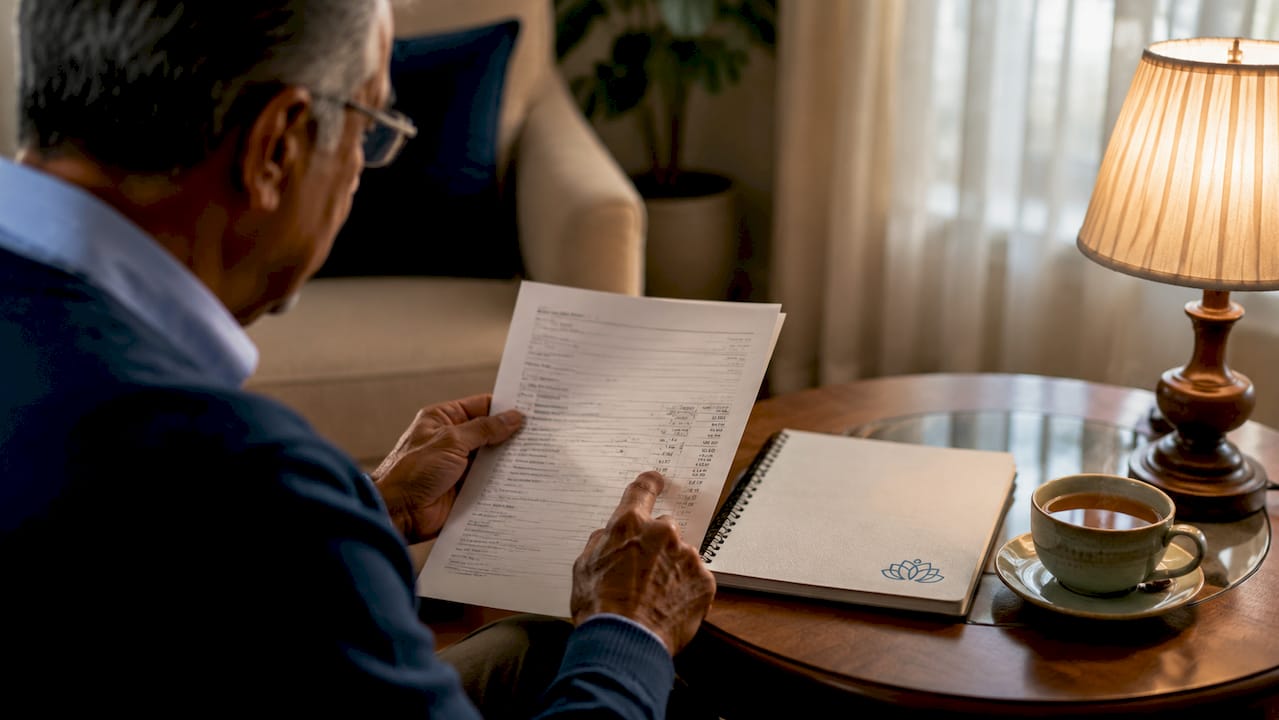
Elaborate ceremonies add significant cost because they require longer facility hours and more staff on site. A graveside service with a viewing, a reception hall, and a clergy officiant stacks fees in ways that a simple direct cremation does not. Direct cremation now costs an average of $1,834 in 2026, compared to a full traditional funeral at $7,736 or more. The gap between those two numbers is almost entirely explained by service choices, not funeral home profit margins.
What are the main cost components making funerals expensive?
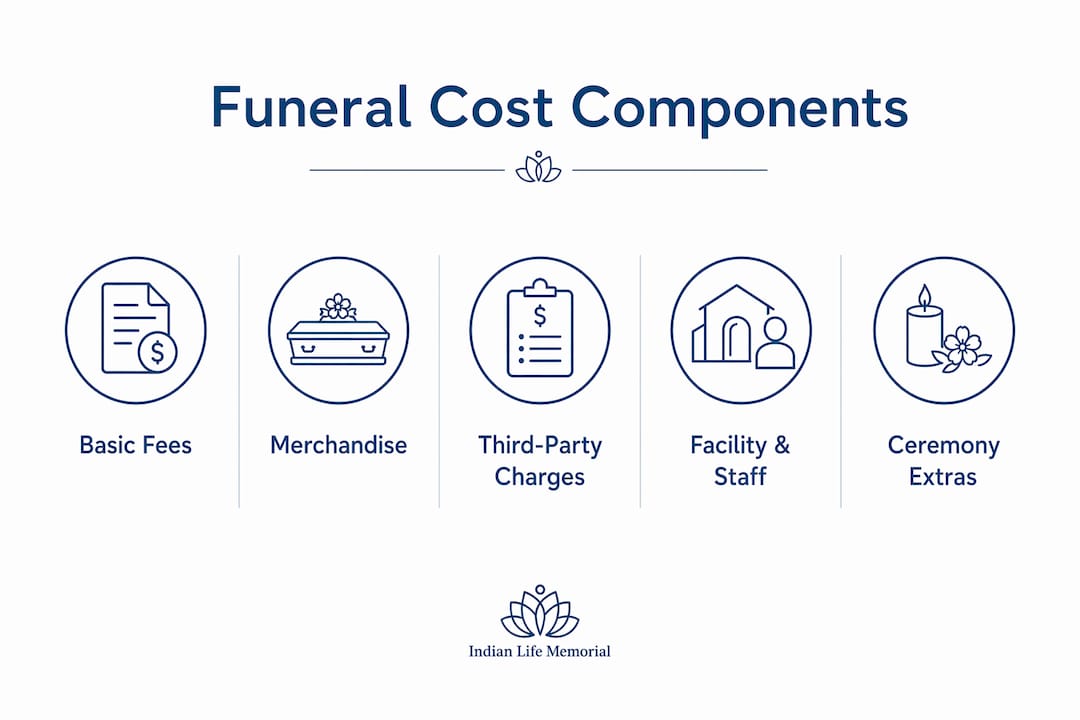
A funeral invoice typically falls into four categories. Knowing each one helps your family identify where flexibility exists and where it does not.
Professional service fees cover the funeral director's time, coordination, and administrative work. This includes the non-declinable basic services fee and any additional staff hours for viewings or ceremonies.
Facility and equipment fees include:
- Use of the funeral home chapel or viewing room
- Embalming or refrigeration (embalming is optional in most jurisdictions unless the body is transported across state lines)
- Hearse and family car transportation
- Audio and visual equipment for memorial services
Merchandise costs are often where families spend more than expected. Caskets sold directly by funeral homes carry significant markups. Purchasing a casket from a third-party retailer can reduce that cost by 40–50% compared to funeral home prices. The FTC Funeral Rule requires funeral homes to accept caskets purchased elsewhere without charging a handling fee.
Third-party or cash advance charges include cemetery fees, cremation fees, obituary notices, flowers, and clergy honoraria. These are paid to outside vendors but often appear on the funeral home invoice. Third-party charges may include undisclosed markups, so always request an itemized bill that separates funeral home fees from cash advances.
Pro Tip: Ask for a General Price List on your first call. The FTC Funeral Rule requires funeral homes to provide one over the phone or in person, free of charge. This single step lets you compare costs before committing to any provider.
Why do geography and market factors drive funeral cost variations?
Location is one of the strongest predictors of what your family will pay. Traditional funerals in Hawaii, New York, and California cost between $10,600 and $11,000, while families in many southern states pay considerably less for comparable services. The difference reflects local real estate values, labor market wages, and state-specific licensing requirements.
| Region | Approximate traditional funeral cost |
|---|---|
| Hawaii, New York, California | $10,600–$11,000 |
| National average (2026) | $7,736–$8,300 |
| Lower-cost southern states | Significantly below national average |
| Direct cremation (national average) | $1,834 |
Market consolidation also drives prices upward. Private equity firms have acquired many independent funeral homes, reducing local competition and removing the pricing pressure that smaller operators once provided. When fewer providers serve a community, families have less negotiating power and fewer alternatives.
Smaller independent funeral homes face their own pressures. Regulatory compliance costs, including licensing, facility inspections, and staff certification, fall disproportionately on smaller operators. Many choose to sell rather than absorb those costs, which accelerates consolidation further.
Pro Tip: Search for family-owned or faith-specific funeral providers in your area. They often carry lower overhead than large corporate chains and may offer more flexible pricing for community members.
How do industry practices like bundling and pricing transparency impact perceived costs?
Service bundling is the practice of grouping multiple services into a single package price. Bundled packages are not inherently deceptive, but they make it harder for families to identify which services they actually need and which they are paying for by default.
The FTC Funeral Rule, in effect since 1984, requires funeral homes to provide itemized pricing and allow consumers to decline optional services. Many families remain unaware of these rights. That gap in awareness leads to a perception that funeral pricing is opaque, even when itemized options legally exist.
The most common sources of unexpected costs include:
- Embalming charged without explicit consent
- Upgraded caskets presented as the standard option
- Facility fees added for services held off-site
- Cash advance items marked up without disclosure
Opaque bundling inflates perceived costs because families cannot easily separate what they chose from what was assumed. Greater transparency, meaning a clear itemized invoice reviewed before signing, reduces unexpected expenses and builds trust between the family and the provider.
A useful way to think about it: a funeral home that shows you every line item before you sign is giving you the same protection a hospital itemized bill provides. You may not be able to decline every charge, but you can ask about each one. Reviewing a detailed funeral fees breakdown before your first provider meeting puts you in a much stronger position.
What practical strategies can families use to manage funeral expenses?
Managing costs does not mean compromising on dignity or tradition. It means making informed choices about which services genuinely matter to your family and which are optional.
- Request an itemized quote from at least two providers. Price variation between funeral homes in the same city can be substantial. Comparing itemized quotes, not package totals, reveals where the real differences lie.
- Choose direct cremation or a memorial-only service if appropriate. The national cremation rate reached 55.8% in 2026, reflecting a broad shift toward simpler, lower-cost options. A memorial service held days after cremation can be just as meaningful and costs far less than a traditional funeral with a viewing.
- Purchase the casket or urn from a third-party retailer. Funeral homes must accept outside merchandise. This single decision can save your family thousands of dollars.
- Separate the funeral from the burial. Holding a private family gathering first and a larger memorial later gives you time to plan without pressure, and often reduces venue and staffing costs.
- Ask specifically about cash advance items. Request a breakdown showing which charges go directly to the funeral home and which are passed to third-party vendors. This is your right under the FTC Funeral Rule.
Pro Tip: Pre-planning your own funeral, even without prepaying, locks in your preferences and spares your family from making financial decisions under emotional pressure. Leave a written record with your will or estate documents.
Families who want specific guidance on negotiating funeral service costs will find that most providers are willing to discuss pricing openly when asked directly and respectfully.
Key Takeaways
Funeral costs are high because they combine non-declinable professional fees, rising labor and facility expenses, geographic pricing disparities, and optional services that families often accept without realizing they can decline.
| Point | Details |
|---|---|
| Non-declinable basic fee | The $2,000–$3,500 basic services fee is mandatory by law and cannot be negotiated away. |
| Geography drives price | Traditional funerals cost up to $11,000 in high-cost states versus far less in southern states. |
| Casket savings opportunity | Buying a casket from a third-party retailer cuts merchandise costs by 40–50%. |
| Bundling obscures choices | Itemized quotes reveal optional charges that bundled packages hide from families. |
| Simpler options exist | Direct cremation averages $1,834 nationally, compared to $7,736 for a traditional funeral. |
What I have learned about funeral pricing after years of working with grieving families
The most painful part of high funeral costs is not the number itself. It is the timing. Families are asked to make thousands of dollars worth of decisions within hours of a loss, often without any prior knowledge of how funeral pricing works. That combination of grief and urgency is where unnecessary spending happens.
What I have seen consistently is that families who ask one simple question, "Can I see an itemized price list?", almost always end up with a clearer picture and a lower final bill. Not because the funeral home was hiding anything, but because the default presentation is a package, and packages obscure individual choices.
The FTC Funeral Rule exists precisely because Congress recognized this vulnerability decades ago. Yet awareness of consumer rights in funeral planning remains low. Families who know they can decline embalming, source their own casket, and request a full cash advance breakdown walk into those conversations with real power.
Transparent pricing is not a luxury. It is the baseline your family deserves, especially during a time when every ounce of energy goes toward honoring someone you love. Providers who offer clear, upfront pricing are not just being fair. They are being respectful.
— Admin
Transparent funeral services from Indianlifememorial
Indianlifememorial was built on the belief that grieving families should never have to guess what they are paying for. Every package is itemized, upfront, and free of hidden fees, with pricing starting at $1,888.

Whether your family follows Hindu, Christian, or another faith tradition, Indianlifememorial provides culturally sensitive services with experienced priests, proper Vedic rites, and 24/7 support. You will know exactly what each service includes before you agree to anything. Review the full range of funeral service packages or speak directly with a specialist who can walk your family through every line item with patience and compassion.
FAQ
What is the average funeral cost in 2026?
The average traditional funeral costs between $7,736 and $8,300 in 2026, up from $6,500 in 2022. Direct cremation averages $1,834 nationally.
What is the non-declinable basic services fee?
The basic services fee, typically $2,000–$3,500, covers funeral director coordination and facility overhead. It is required by law and cannot be waived regardless of which other services you choose.
Can I buy a casket from somewhere other than the funeral home?
Yes. The FTC Funeral Rule requires funeral homes to accept caskets purchased from third-party retailers without charging a handling fee. This can reduce merchandise costs by 40–50%.
Why do funeral costs vary so much by location?
Geographic differences in real estate values, labor wages, and state licensing requirements create significant price gaps. Traditional funerals in Hawaii, New York, and California can reach $10,600–$11,000, while costs in southern states are considerably lower.
What questions should I ask a funeral home about pricing?
Ask for a General Price List, request an itemized quote rather than a package total, and ask which charges are cash advances passed to third parties. Families who want a structured approach can review a guide on questions to ask about funeral pricing before their first provider meeting.