
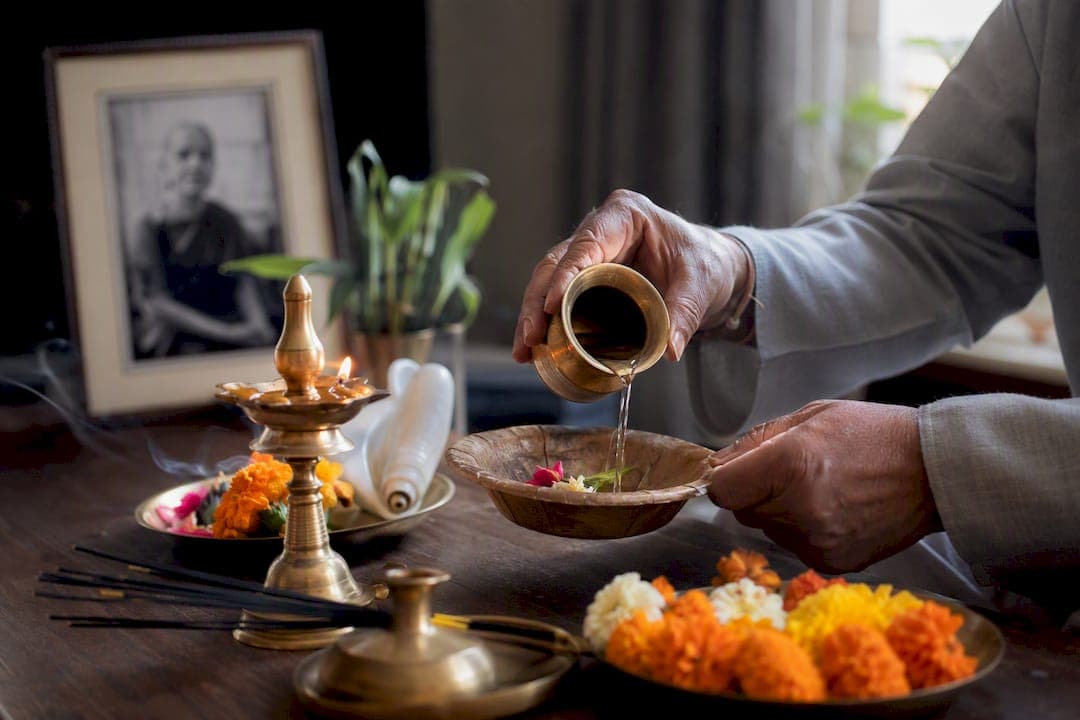
Your first call should be to the hospital or mortuary holding your loved one, followed immediately by the Sri Lankan High Commission in Singapore, whose consular and labour sections issue current repatriation circulars. Many grieving families also engage a Singapore funeral home experienced in Sri Lanka repatriation, such as Indian Life Memorial, to coordinate embalming, coffin specifications, and airline cargo bookings on your behalf. Acting on both fronts within the first day prevents the delays that add stress to an already painful time.
TL;DR:
- Gathering all required documents early, including death certificates, clearance forms, and coffin specifications, is essential to prevent processing delays.
- Embalming and sealing the coffin to Sri Lankan standards are mandatory before cargo booking, which must be confirmed in writing with airlines.
- Coordinating with the High Commission for documentation and consular support is necessary, but logistical tasks like embalming and cargo booking rely on separate arrangements.
- Most repatriation processes take about one to two weeks, with costs covering embalming, coffin, airline fees, and processing, often paid by the family or employer.
- Employing a funeral provider experienced in Sri Lankan repatriations can streamline the entire process, ensuring proper sequencing and reducing stress during an emotionally difficult time.
Table of Contents
- Required Documents and Permits for Sri Lanka Repatriation
- What Health and Airline Rules Apply to Transporting Remains?
- How Do Consular Services Support Repatriation From Singapore?
- What Is the Step-by-Step Checklist From Death to Arrival in Sri Lanka?
- How Long Does Repatriation Take and What Does It Cost?
- How Indian Life Memorial Coordinates Repatriation From Singapore
- Why Families Get This Process Wrong, and What Actually Matters
- Get Immediate Repatriation Help From Indian Life Memorial
- Official Sources for Forms and Health Measures
Required Documents and Permits for Sri Lanka Repatriation
Assembling the correct paperwork determines how smoothly your family moves through this process. Singapore hospitals or the state coroner's office issue the death certificate and medical cause of death report, and you cannot proceed without these originals. The Sri Lankan High Commission and the Ministry of Foreign Affairs in Colombo both require specific supporting documents before they process a repatriation request, so gathering everything early saves precious days.
Here is what your family needs to secure:
- Death certificate and cause of death documentation, issued by the attending hospital or the Singapore coroner's office.
- Police or coroner clearance, along with mortuary release forms authorizing transfer of the remains.
- Embalming certificate confirming the body was prepared to the standard set by Sri Lankan health circulars.
- Coffin or casket specification sheet, since airlines and Sri Lankan authorities mandate particular liner and sealing standards.
- Passport copies for the deceased and the next of kin, plus proof of relationship (marriage certificate, birth certificate, or equivalent).
- Consular application forms, submitted to the High Commission and, where required, forwarded to the Ministry of Foreign Affairs for final clearance.
A funeral home familiar with this process, or our own repatriation from Singapore guide, can walk you through which forms need notarization before they reach Colombo.
What Health and Airline Rules Apply to Transporting Remains?
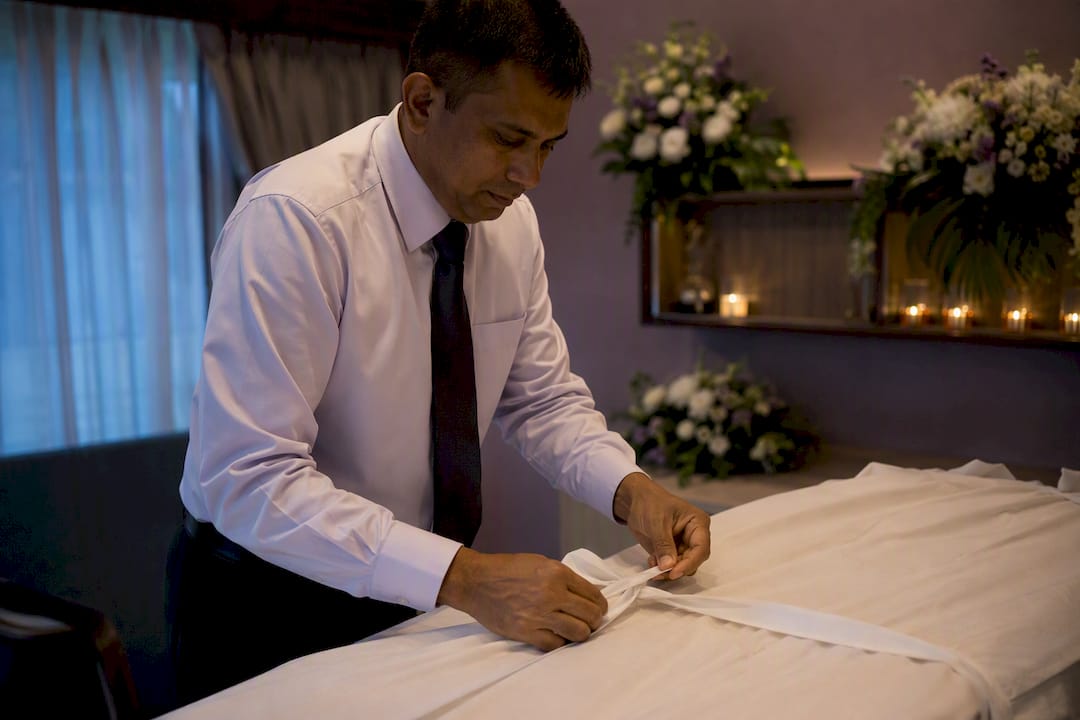
The High Commission of Sri Lanka in Singapore maintains a health circular, dated February 15, 2023, that governs how remains must be prepared before departure. It requires embalming to a verified standard and a hermetically sealed, often metal-lined, coffin, mirroring broader international guidance on air transport of human remains. Airlines will not accept a shipment that skips this step, and Sri Lankan customs can reject it on arrival in Colombo.
Once the coffin meets specification, your funeral home needs to coordinate cargo booking directly with the carrier. SriLankan Airlines and other carriers flying the Singapore to Colombo route each maintain their own documentation checklists, typically covering:
- The embalming certificate and original death certificate.
- Coffin specification confirming metal lining or an approved hermetic alternative.
- Cargo booking confirmation, since space is limited and must be reserved ahead of the funeral home's preparation timeline.
Pro Tip: Get written confirmation from your chosen airline that the shipment satisfies both Singapore's export rules and Sri Lanka's import health requirements before the coffin leaves the mortuary. A verbal assurance from a cargo desk is not the same as a documented acceptance, and circulars do change without much notice.
How Do Consular Services Support Repatriation From Singapore?
The Sri Lankan High Commission in Singapore does more than stamp paperwork. Its consular team verifies your documents, liaises directly with counterparts in Colombo, and, where the deceased was a foreign domestic worker, routes the case through its Labour Section for additional support. That section exists specifically because migrant worker repatriation carries its own set of employer obligations and verification steps.
To move a request forward, families typically need to:
- Submit required documents by email or in person, following the exact checklist published in the High Commission's current circular.
- Complete any downloadable application forms rather than improvising your own version.
- Expect the Ministry of Foreign Affairs in Colombo to step in directly when consular staff in Singapore need additional clearance on the Sri Lankan side.
One caution worth repeating: confirm you are emailing an official High Commission address before sending sensitive documents. Impersonation attempts targeting grieving families are not unheard of, and a five-minute phone verification protects you from a costly mistake.
What Is the Step-by-Step Checklist From Death to Arrival in Sri Lanka?
A repatriation case moves through four distinct phases, and knowing which tasks belong to which window keeps everyone, family, employer, and funeral provider, working from the same clock.
- First hours: Notify the hospital or mortuary, inform the next of kin, and, if the deceased was a foreign domestic worker, notify the employer immediately since they hold documented obligations here.
- Within 24 to 72 hours: Obtain the death certificate, secure police or coroner clearance, arrange embalming to the required standard, and contact the Sri Lankan High Commission to confirm the current circular's exact requirements.
- 72 hours to 7 days: Book airline cargo space, hand over the full documentation set to your funeral provider or airline liaison, and confirm arrival logistics with the receiving family in Sri Lanka, including who will meet the remains at the airport.
- After arrival in Sri Lanka: Provide the receiving family with consular-certified documents and clear handling instructions so the final rites can proceed without administrative interruption.
Every phase depends on the one before it. A missing embalming certificate at day three delays the cargo booking at day five, which then pushes back the family's ability to plan a funeral date in Sri Lanka. Building in a buffer at each stage, rather than assuming everything runs on the fastest possible timeline, spares your family from compounding one delay into several.
How Long Does Repatriation Take and What Does It Cost?
Most repatriation cases move through processing, documentation, and cargo booking within roughly a week to ten days, though holidays, incomplete paperwork, or limited cargo space on a given flight can stretch that window. Budget for several distinct cost categories rather than one lump figure:
- Mortuary care and embalming to the required standard.
- The coffin or case itself, built to meet airline and Sri Lankan health specifications.
- Airline cargo fees for the Singapore to Colombo route.
- Consular processing fees tied to your application.
- Handling and clearance charges once the remains arrive in Sri Lanka.
When the deceased was a foreign domestic worker, Singapore employers are typically contractually responsible for covering these repatriation costs, a point the High Commission's Labour Section actively verifies and enforces when employers fall short. For other cases, the family or estate generally bears the expense, which is where transparent, itemized pricing from your chosen funeral provider becomes essential. Families weighing their financial exposure ahead of time may also want to review funeral insurance considerations that can offset some of these costs.
How Indian Life Memorial Coordinates Repatriation From Singapore
A worked example helps more than another checklist. Indian Life Memorial runs a 24/7 intake line specifically because repatriation cases rarely happen during business hours, and the first few hours matter most. From there, the team manages document coordination, mortuary liaison, embalming to the specification Sri Lankan authorities require, airline cargo booking, and the consular submissions your family would otherwise have to chase individually.
What families can expect:
- A transparent starting price, with no hidden fees added once the process begins.
- Faith-sensitive rites available for Hindu, Christian, and other traditions, so cultural and religious practices are honored throughout.
- End-to-end handling of the paperwork chain, from the mortuary transfer through final clearance in Colombo.
Pro Tip: Ask any provider you're considering for a written, itemized cost estimate before you sign anything. A provider who hesitates to put pricing in writing is not one you want managing your family's most sensitive arrangements.
Families researching the earlier steps often start with our mortuary transfer guide for Singapore before the repatriation paperwork even begins.
Why Families Get This Process Wrong, and What Actually Matters
The conventional advice treats repatriation like a single form to fill out, when it's actually four separate bureaucracies, the hospital, the High Commission, the airline, and Sri Lankan customs, that all need to agree before a coffin can leave Singapore. Most of the stress families report doesn't come from any one step being difficult. It comes from not knowing the steps exist until they've already missed the window for one of them.
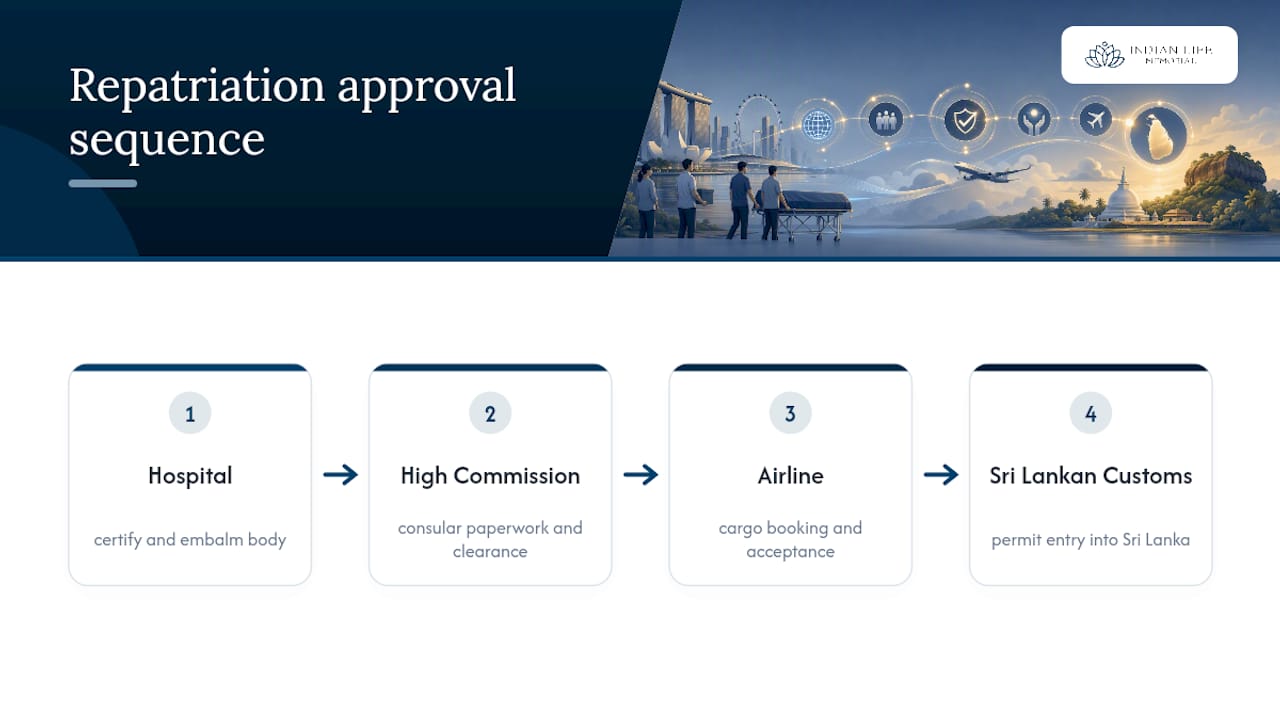
The overrated piece of advice is "just contact the High Commission and they'll guide you." They will, but consular staff cannot embalm a body, negotiate cargo space, or chase down a coroner's signature. Those are logistics jobs, not consular ones. Families who separate the government relationship from the logistics relationship, treating the High Commission as your compliance checkpoint and a funeral provider as your operations team, move through this faster than those trying to make one party do both jobs.
If there's one priority above the rest, it's sequencing. Embalming has to happen before coffin sealing, coffin sealing has to happen before cargo booking, and cargo booking has to happen before you can even give the receiving family in Sri Lanka a real date. Get the sequence right and the paperwork mostly takes care of itself.
— Admin
Get Immediate Repatriation Help From Indian Life Memorial
Indian Life Memorial is the direct path for Singapore families who need repatriation handled without chasing four agencies on their own, coordinating embalming, coffin specification, airline cargo booking, and consular filing under one roof instead of piecing it together yourself. The service runs 24/7, because a death rarely waits for office hours, and packages start at a transparent price with no hidden charges added later.
A typical repatriation package includes document coordination, mortuary liaison, faith-sensitive preparation, and full airline and consular handling through to arrival in Sri Lanka. To get started now, call the intake line or review the full repatriation service details and have the deceased's basic information ready: full name, passport number, hospital or mortuary location, and next-of-kin contact. You can also check current package pricing before you call, so there are no surprises during an already difficult conversation.
Official Sources for Forms and Health Measures
Verify every requirement directly before you finalize arrangements. Download the High Commission's health measures circular and repatriation notice, review the Ministry of Foreign Affairs' repatriation guidance, and check Sri Lanka's ETA portal if family members plan to travel for the arrival. Confirm cargo rules directly with SriLankan Airlines or your chosen carrier, since acceptance standards can shift between bookings.